01
What health problems might a cat suddenly become lethargic and unsteady on its feet?
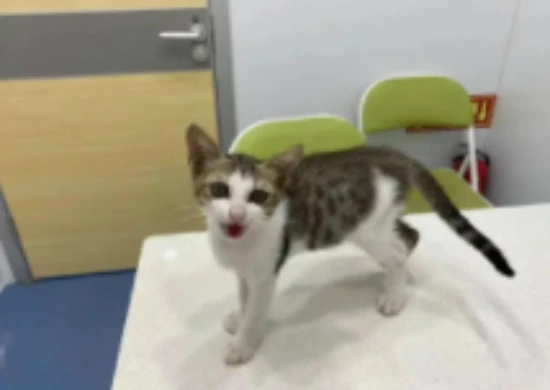
A fan recently sought our help because their one-year-and-one-month-old kitten, shortly after giving birth, developed symptoms including decreased appetite, gradually swelling abdomen, lethargy, and vomiting white foam, but without obvious diarrhea. Although the kitten's diet is regular, consisting mainly of cat food, cat treats, and canned food, it has recently become unsteady on its feet.
In response to this series of symptoms, we conducted an in-depth discussion of the problems that cats may encounter from multiple perspectives.
02
Cat's digestive system abnormalities: gastroenteritis
The cat suddenly started vomiting frequently and had an enlarged abdomen, which is initially suspected to be gastroenteritis caused by indigestion.
Further investigation is needed to understand the changes in the cat's eating habits, especially whether it has ingested any hard-to-digest food or foreign objects.
03
The influence of diet and environmental factors
Examine the cat's daily diet, water intake, and excretion to determine if any changes in food have caused digestive discomfort.
Also pay attention to changes in the temperature of the living environment and whether the resting place is comfortable, as these can affect the cat's physiological state.
04
The possibility of disease infection
Observe the cat for respiratory symptoms (such as coughing, sneezing, runny nose) and confirm its vaccination and deworming status.
Failure to vaccinate and deworm in a timely manner may make cats susceptible to infectious diseases or parasites, causing them to exhibit similar symptoms.
05
Pregnancy and ascites
Given that the cat recently gave birth, her abdomen is enlarged and feels soft to the touch, possible causes include pseudopregnancy, ascites, or feline infectious peritonitis (FIP).
Especially in cases of suspected ascites, veterinary attention should be sought as soon as possible to rule out the risk of feline infectious peritonitis (FIP).
06
Recommendations for gastrointestinal drug treatment
For vomiting initially diagnosed as being caused by indigestion, it is recommended to withhold food and water for one meal, followed by administration of pet-specific anti-inflammatory medication and probiotics.
Probiotics help restore the balance of gut microbiota, enhance digestive function, and relieve nausea and vomiting.