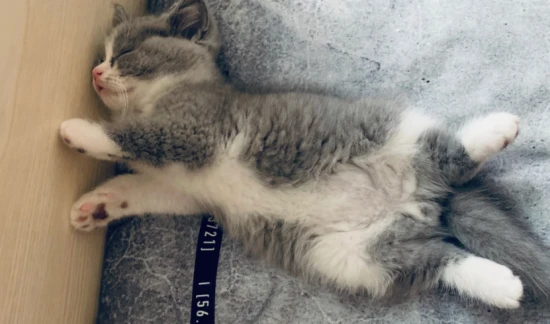
Feline depression is a common mental illness, and many cat owners may not realize that cats can suffer from it. In fact, cats, like humans, have emotional needs and experience psychological stress. When cats suffer psychological trauma or live in unhealthy environments for extended periods, they may exhibit symptoms of depression. Below are seven key signs of feline depression; cat owners should pay close attention to their cats' mental and physical health and address any issues promptly.
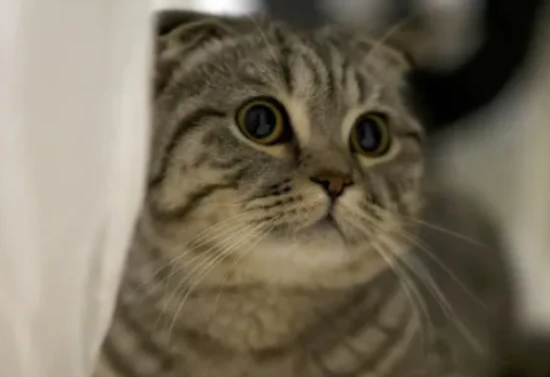
1. Significantly decreased appetite and reduced food intake.
Cats with depression often exhibit symptoms such as decreased appetite and reduced food intake. This may be due to psychological stress weakening the digestive system, thus affecting appetite. If you notice a significant and prolonged decrease in your cat's food intake, you should consider the possibility of depression.
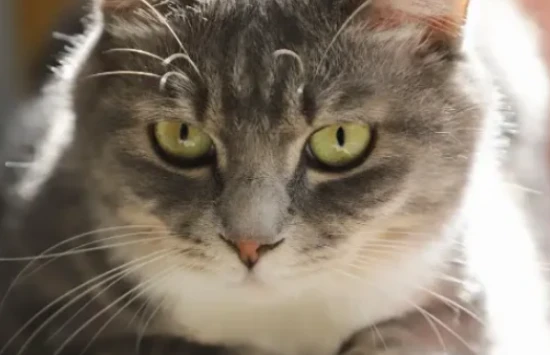
Second, water intake has decreased significantly, much lower than before.
Cats suffering from depression may not only experience a decreased appetite but also reduce their water intake. Normally, cats need to consume enough water daily to maintain their health. If a cat's water intake decreases significantly, the owner should pay attention to its mental health and investigate possible causes.
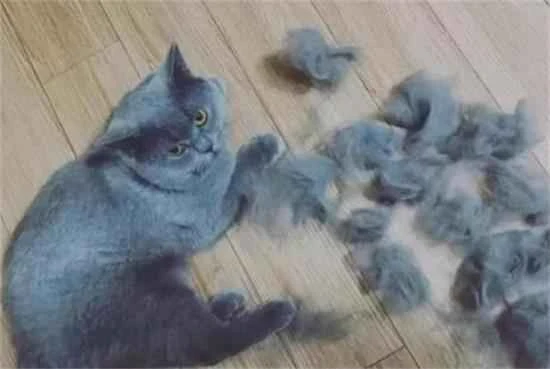
3. One-time hair removal, resulting in excessive hair loss or plucking.
A common symptom of feline depression is excessive hair loss or plucking. This may be the cat's way of relieving stress by pulling out its fur, leading to hair loss. Cat owners should carefully observe their cats for unusual hair loss and seek help as soon as possible if any is observed.
4. Decreased energy and easy fatigue
Cats with depression often exhibit symptoms such as decreased energy and fatigue. A previously lively and active cat may become lethargic and lose interest in playing and exercising. Owners should pay attention to these behavioral changes, identify potential causes, and provide love and support.
5. Hidden in a hard-to-find place
Cats suffering from depression may choose to hide in small, hard-to-find places to seek a sense of security. Cats that used to enjoy being around people may suddenly disappear. Cat owners should pay attention to finding where their cats are hiding and try to improve their living environment to make them feel safe.
6. Lack of interest in entertainment and low mood
Cats suffering from depression may lose interest in toys and games, becoming listless all day. A cat that was once playful may become quiet and withdrawn. Owners should try to engage their cats in play, creating a pleasant environment to help them improve their mood.
7. Suddenly becomes more vocal, sounding like hissing or whimpering.
Cats experiencing depression may suddenly become more vocal, with their meows sounding hoarse or whimpering. This could be the cat expressing anxiety and pain. Owners should pay attention to their cat's mood changes, try to find possible causes, and provide necessary support and care.
Pet owners should always pay attention to their cat's physical and mental health and promptly detect signs of depression. By improving the cat's living environment, increasing companionship and affection, and seeking professional help when necessary, pet owners can help their cats overcome depression and rediscover happiness.