Dear cat lovers, are you immersed in joyful moments with your feline companions every day, believing your little ones to be the cutest creatures in the world? Indeed, cats are naturally adorable, and their every smile and gesture tugs at our hearts. However, have you ever considered that some of your daily behaviors might be unintentionally harming them? Today, let's uncover the truth behind these "cat-harming" behaviors and see if you're making these mistakes every day!
First, let's look at the issue of "over-pampering." Many cat owners spoil their cats rotten, wanting to shower them with all the good things in the world. But did you know that over-pampering is actually detrimental to a cat's health? For example, constantly feeding your cat treats can lead to picky eating and nutritional imbalances; or always holding your cat too tightly can prevent them from getting enough exercise. This can easily cause obesity and a range of other health problems. So, there's a limit to how much you should love your cat!
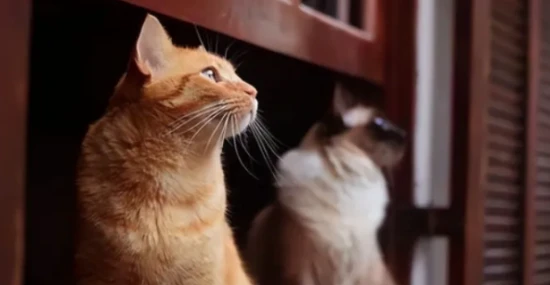
Next, let's talk about the issue of "ignoring a cat's emotions." While cats don't express their emotions by meowing loudly like dogs, they also have their own joys and sorrows. If you consistently ignore your cat's emotional changes—for example, by not comforting them when they're anxious or not spending time with them when they're happy—the cat may feel lonely and helpless, and it could even develop behavioral problems. Therefore, we should learn to observe our cats' emotional changes and provide them with timely love and companionship.
Let's talk about the issue of "arbitrarily changing a cat's living environment." Cats are very sensitive animals, and they are extremely sensitive to changes in their environment. If you frequently and arbitrarily change your cat's living environment, such as moving, changing furniture, or rearranging the room, the cat may feel uneasy and anxious. This can lead to loss of appetite, insomnia, or other health problems. Therefore, when changing a cat's living environment, we should try to do it gradually, giving them enough time to adapt to the new environment.
Another easily overlooked issue is "using unsuitable cat litter." Cat litter is essential for a cat's daily life, but did you know that using unsuitable litter can also harm your cat? For example, some cat litter contains too much dust, which can cause respiratory sensitivity in cats; some litter is too hard and can scratch a cat's paw pads. Therefore, when choosing cat litter, we should select the appropriate litter based on our cat's preferences and health condition to ensure their comfort and well-being.
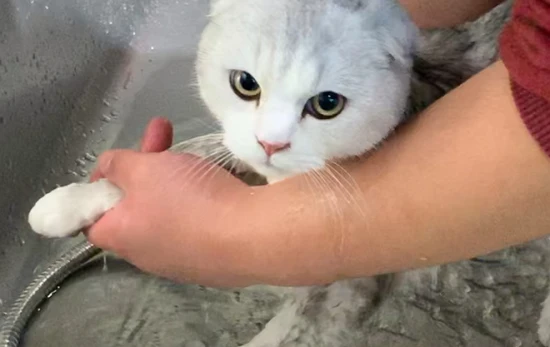
Finally, let's talk about "neglecting your cat's hygiene." Cats are very clean animals; they spend a lot of time grooming themselves every day. However, even so, cats still need our help to maintain their hygiene. If you neglect your cat's hygiene, such as not bathing them regularly, trimming their claws, or cleaning their ears, they may develop skin diseases, ear mites, and other problems. Therefore, we need to provide regular hygiene care for our cats to ensure their health.
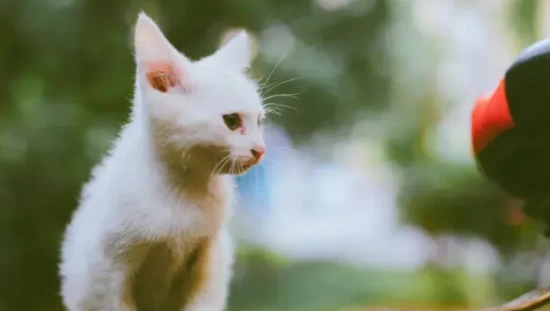
Through the above introduction, you should now have a better understanding of behaviors that harm cats. These behaviors may seem insignificant, but they can pose a potential threat to a cat's health. As responsible cat owners, we should always pay attention to our cats' needs and health to prevent these harmful behaviors from occurring.
Of course, every cat has its own personality and preferences, and we should tailor our care to each individual. Some cats may prefer solitude, while others enjoy interaction with people; some cats are picky eaters, while others will eat anything. Therefore, in caring for cats, we should observe and understand their needs and preferences, and provide them with a comfortable and healthy living environment.
In short, cats are important companions in our lives, and we should love and care for them wholeheartedly. Let's work together to avoid behaviors that harm cats and help them grow up healthy and happy!