Why can't you keep a Munchkin cat?
Because of congenital defects, they are prone to health problems.
Munchkin cats are a "mutant cat" with distinctive features such as short legs, long bodies, and large ears. These characteristics are caused by genetic mutations. Although these features are very cute, their genes also make them more susceptible to certain health problems. For example, Munchkin cats may suffer from joint diseases, back problems, dental issues, and so on. Due to their unique body shape, treating these health problems may be more difficult and expensive.
Munchkin cats, also known as "miniature cats" or "dwarf cats," are a small breed of cat. Although Munchkin cats are cute and charming, they are not a suitable pet for everyone. If you want to keep one, you should ensure that the Munchkin cat you purchase is bred by a responsible breeder, is healthy, and has reliable breed purity. At the same time, you should be prepared to provide your Munchkin cat with more attention and care to ensure that it can live a healthy and happy life. 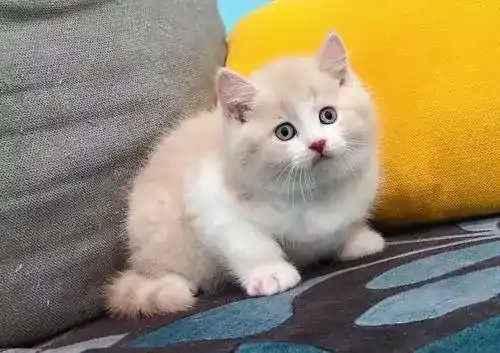
Precautions for raising Munchkin cats
1. Take care of your spine
Munchkin cats have relatively short legs and long bodies. When raising them, you should not let them climb stairs or jump frequently, and they should not be too fat, otherwise it will easily lead to spinal deformities and compression of the spinal nerves (leading to paralysis).
2. Take care of your joints
If your Munchkin cat is typically curious and active, you can feed it joint supplements or chondroitin to protect its joint health and reduce joint wear.
3. Protects the stomach and intestines
Munchkin cats have relatively sensitive stomachs, so it's important to feed them small, frequent meals and avoid overly oily foods. You can also give them probiotics to help regulate their gut health and improve issues like loose stools, vomiting, and indigestion.