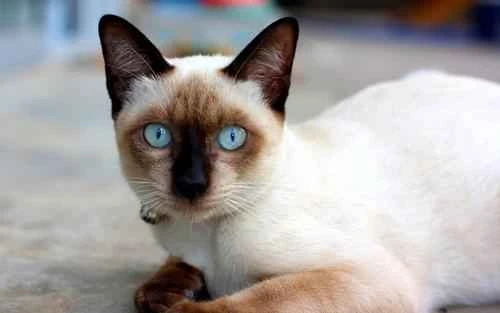
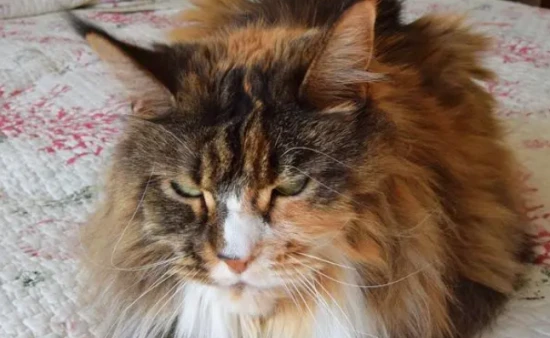
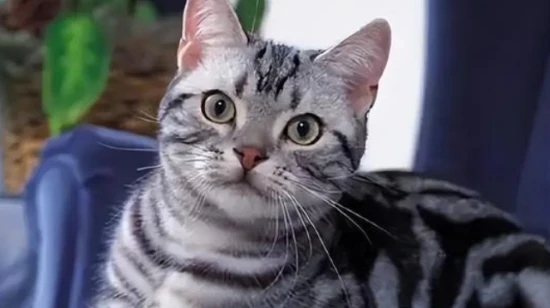
They are independent, quiet, and enjoy watching their owners without bothering them, spending most of their time entertaining themselves. On the other hand, they are also very curious, lively, intelligent, and not easily stressed; they adapt to new environments quickly, making them easy to care for. Below, we will detail the key points for caring for Exotic Shorthairs: 
1. When feeding them, be careful because Exotic Shorthair cats are very docile and easily attacked by other pets, so do not put them with overly aggressive pets.
Suitable food for Persian cats is food specifically formulated for them, in small cubes, which makes it easier for them to eat. The following foods require attention when feeding:
Animal liver: Some cats love to eat animal liver and refuse to eat other foods. Animal liver contains a lot of vitamin A, but excessive intake of vitamin A can lead to muscle stiffness, neck pain, bone and joint deformities, and liver disease. High-fat foods: If a cat's diet contains a lot of high-fat fish or stale fatty meat, it will lead to insufficient intake of vitamin E, which can cause inflammation of the cat's body fat and extreme pain.
Raw fish: Some raw fish contain an enzyme that can destroy vitamin B1. A deficiency in vitamin B1 can lead to neurological disorders in cats, which can be fatal in severe cases. This enzyme can be destroyed by heating, so fish must be cooked thoroughly before feeding it to your cat.
Meat: Although a cat's diet should be mainly meat, feeding a cat only meat can lead to an imbalance in the intake of minerals and vitamins, which can cause serious bone metabolism disorders.
Dog food: The nutrients in dog food and cat food are not entirely the same, and the nutrients in dog food cannot meet the needs of cats. Although both cats and dogs are carnivores, dogs do not have as high nutritional requirements as cats.
Cod liver oil: Special caution should be exercised when supplementing cats with extra vitamins and minerals. Excessive consumption of cod liver oil can lead to excessive intake of vitamin A and vitamin D, which can cause bone diseases.
3. A short, flat nose makes one prone to tear duct blockage, so it's important to maintain good facial hygiene. If one keeps their face clean and healthy daily, they can live to around thirteen years old.
4. In spring, the physiological activities and behaviors of Exotic Shorthair kittens become particularly strong and vigorous. Although cats can go into heat all year round, most go into heat in early spring (January to March).
5. Summer is the breeding season for mosquitoes, flies, fleas, ticks, and lice. It is essential to take precautions to prevent mosquitoes, flies, lice, and ticks from harming your Exotic Shorthair cat and to prevent the occurrence of diseases.
6. In winter, the weather is cold and the daylight hours are short. On sunny and warm days, Exotic Shorthair cats should be allowed to bask in the sun more often. It is important to note that growing kittens especially need sunlight. The sun's ultraviolet rays not only have disinfecting and sterilizing properties, but also promote calcium absorption in Exotic Shorthair cats, promote bone growth and development, and prevent rickets in kittens.
7. Although Exotic Shorthairs are short-haired cats, regular grooming is still important. Brush them at least once a week; proper grooming is essential for any Exotic Shorthair owner. Brushing removes a large amount of dead hair, which is the fundamental way to control shedding. It also prevents tangles and provides a massage effect, promoting blood circulation and improving skin health. Healthy skin is key to preventing excessive shedding.
8. Treat your Exotic Shorthair babies like you would a child, providing extra care to prevent illness. The secrets to their health include a balanced diet, adequate exercise, a clean and comfortable environment, plenty of sunshine, and regular vaccinations to prevent disease.