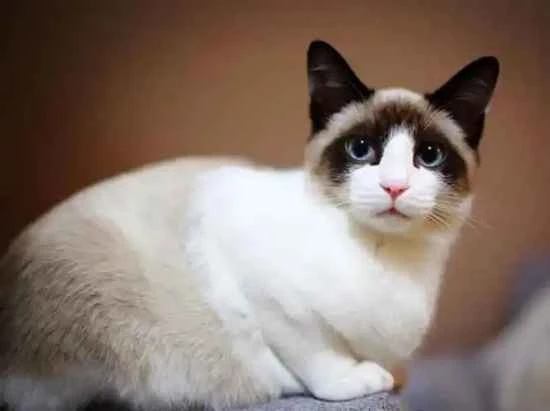
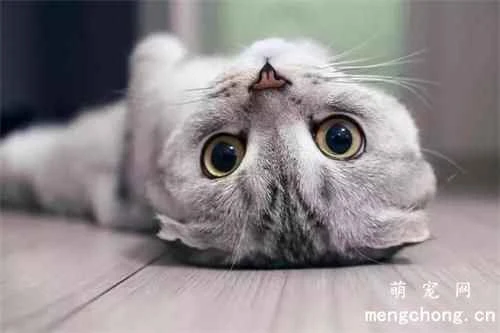
British Shorthair cats are bold and curious, yet very gentle and adaptable. They won't change their attitude with changes in environment, nor will they throw tantrums or meow excessively. Instead, they'll climb to a high place, lower their heads, and gaze down at you with their big, round eyes and a smile, much like Louise the cat in Alice in Wonderland. Without words, their adorable facial expressions capture your heart, making your love for them irrevocably strong. Let's take a look at the daily care of a British Shorthair with PetCat.com: 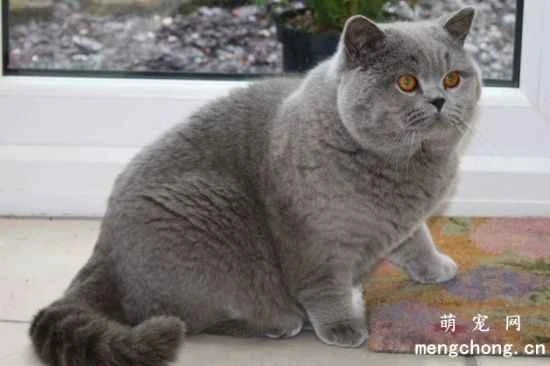
Daily care
To properly care for a British Shorthair cat, you need to take good care of its daily needs.
1. Feeding: Changes in activity levels can alter the digestive and absorptive capacity of the intestines, as well as the filtration and detoxification functions of the liver and kidneys. Pay close attention to the appropriate food texture for your cat, supplement with calcium, iron, vitamins, and other trace elements as needed, and try different flavors of food. (Note: Avoid feeding your cat foods that are difficult to digest and ensure a constant supply of fresh water.)
2. Brushing teeth: If possible, brush your pet's teeth to reduce bacterial invasion caused by gingivitis;
3. Eye care: Frequently use a damp cotton ball to remove excess mucus and clean the skin around the eyes;
4. Ear care: Regularly check the inner ear canal;
5. Joint care: Joint pain is a common problem for older pets. If your pet cannot exercise regularly, you can gently massage its muscles or move its limb joints while it rests.
Specialized equipment
To properly care for a British Shorthair cat, it's best to provide it with professional equipment and a comfortable living environment and space.
1. Food bowl and water bowl
Food and water bowls are essential for cats. Cats are usually very sensitive to their food and water, and it's best not to change their food and water bowls throughout their lives. Some cats, especially older cats, may refuse to eat or experience indigestion after their food bowl is changed. A sudden change can cause them great stress and affect their health. Therefore, it's important to choose sturdy, durable bowls with sufficient capacity from the beginning. British Shorthairs have short noses and round, flat faces, so plates are the best food option. Their large, flat faces can't easily reach food from small bowls, and plates make them feel more comfortable and prevent them from swallowing too much air, which can cause bloating and affect their health. Large bowls of water will wet the fur on your British Shorthair's chin and cheeks. When choosing a plate, pay attention to its sturdiness, thick base, and blunt, thick edges. Some British Shorthairs are very mischievous when they are young and easily spill food outside their bowls. Therefore, you can place an old newspaper under the plate for easy cleaning and to keep the area clean.
2. Cat litter box
A litter box, also called a cat litter bowl, is where a cat urinates and defecates. Never let your cat use a human toilet. It's very convenient to buy a dedicated litter box from a pet store. Litter boxes are made of plastic, making cleaning easy. There are generally two types of litter boxes: roof-shaped and bowl-shaped. Bowl-shaped litter boxes are more commonly chosen because they are cheaper. Pet store litter boxes have an inward-curving rim to prevent cats from bringing litter out of the box when entering or exiting, with an effectiveness rate of 70%. Roof-shaped litter boxes are fully enclosed, with an activated carbon filter at the top and a semi-transparent two-way sliding door. Almost no litter is brought out when the cat enters or exits, with an effectiveness rate of 98%. They are also aesthetically pleasing and odorless, but they are more expensive, usually costing over 200 yuan each. In summer, because these roof-shaped litter boxes are enclosed, the smell inside can be strong, which clean-loving British Shorthairs may find unpleasant, causing them to defecate elsewhere. At this point, you can remove the sliding door of the litter box or increase the frequency of cleaning the feces.
When buying a litter box, don't forget to buy cat litter as well. British Shorthairs, with their short noses, are prone to dust allergies, so it's crucial to choose low-dust, high-quality cat litter. There are many types of cat litter available; you can ask experienced friends about the quality of different brands. If price isn't a concern, crystal cat litter or paper cat litter are good choices.
3. Cat scratching post and nail clippers
Cats need to sharpen their nails daily, so you'll need to provide them with a dedicated scratching post to reduce the chances of them scratching the sofa. Train your British Shorthair to sharpen its nails on the scratching post to establish a good habit.
Learn how to trim a British Shorthair's nails, preferably using dedicated nail clippers. When a kitten is three or four months old, you can still use human nail clippers, but as it gets older, you'll find it harder to do so. If possible, buy a pet-specific clipper.
4. Pet shampoo
Cats and humans have different skin pH levels and skin thicknesses, so you need to prepare special pet shampoo for them.
5. Pet comb
Essential grooming supplies for your British Shorthair pet. Many people mistakenly believe that British Shorthairs, being short-haired cats, require less or no brushing. This is incorrect. British Shorthairs have medium-length fur, not short fur close to their skin. Their round, ball-like appearance is due to the fluffy and dense coat. Regular brushing is essential. It's best to have a medium-toothed pet comb and occasionally use a rubber brush (short-haired cats don't need a pin brush) to massage them; your British Shorthair will enjoy this process.
6. Bathtub
British Shorthair puppies are incredibly well-behaved during bath time, so prepare a special bath tub for them. A large plastic tub will do. After bathing your British Shorthair, don't forget to rinse the tub thoroughly and ideally, let it dry in the sun.
7. Cotton balls
Cotton balls are absolutely essential cleaning tools for British Shorthair puppies. Their short noses and flat faces make facial cleaning a must. Wiping their tear ducts and face with cotton balls is a must-learn skill for any owner. Toys
British Shorthair cats love to play by themselves. Like all cats, they enjoy round, colorful, rolling toys. You can provide them with some brightly colored yarn balls or plastic balls. British Shorthairs especially love small, furry toys similar to themselves. Pet stores have many such toys at reasonable prices; small mice, tiny plush toys, etc., are all good choices. British Shorthairs also enjoy hanging colorful ribbons and paper strips. You can also buy a cat wand to play with them. Of course, the most important thing when choosing toys isn't their appearance, but what your British Shorthair actually likes. As long as it's interesting, there's no need to spend too much money. However, toys should be updated regularly. Cats are prone to getting bored easily, and after a while, your British Shorthair will become tired of its existing toys.