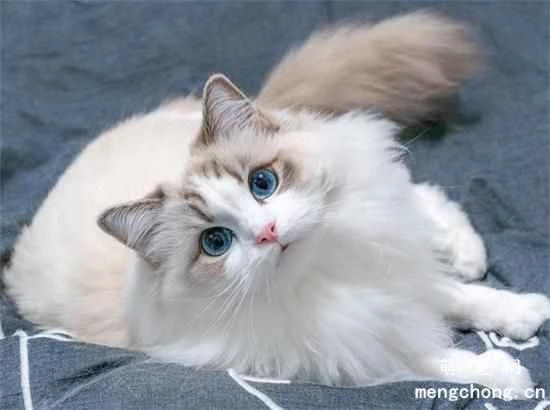
Ragdoll cats are known for their good temperament; they are gentle, adorable, and love to be close to their owners. They also get along well with other pets. When raising a Ragdoll cat, we need not only enough patience but also to find the right way to care for them. Below, we will talk about some important points to note when raising a Ragdoll cat.
I. Precautions for raising Ragdoll cats
1. For working professionals and pet owners, every day is a busy day. Even so, we should still try to spend more time with our Ragdoll cats in our spare time. If you really don't have time, you can have elderly family members or children play with them. Before your Ragdoll cat enters your home, you should prepare a comfortable and spacious cat bed, as well as necessary auxiliary equipment such as scratching posts and cat trees. In addition, food bowls, water bowls, litter boxes, and other suitable amenities should also be provided. This will ensure your Ragdoll cat feels warm and comfortable upon entering your home, allowing it to quickly adapt to its new environment and settle into a normal life.
2. Ragdoll cats are typical long-haired cats, which means that regular grooming is essential. Regular bathing and deworming are also important to maintain healthy fur. Shedding is not particularly noticeable in Ragdolls, mainly due to their gentle temperament; unlike some cats that are constantly shedding, they don't shed much. Therefore, managing their fur is relatively easy. Ragdolls are actually very affectionate cats; they dislike loneliness and crave interaction and play with their owners. Therefore, owners need to regularly dedicate time to interacting and communicating with their cats to build a strong bond.
3. Ragdoll cats are a breed suitable for indoor living, so they are not ideal for taking them out for walks. Generally, it's best to keep them indoors. When taking them for walks, always remember to use a leash to restrain them, as the allure of the outside world can be quite strong for a cat that is always curious about new things.
4. As a long-haired breed, Ottoman cats require regular grooming. This includes daily brushing, brushing their teeth 3-4 times a week, trimming their nails every 3-4 weeks, regular bathing, cleaning their living environment, and disinfecting their homes. These are all basic aspects of daily grooming. 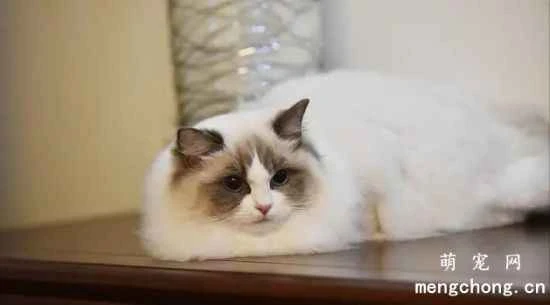
II. Five common mistakes to avoid when raising Ragdoll cats
1. Ragdoll cats have a gentle temperament, but that doesn't mean they don't need training.
Therefore, the basic training principles for cats are suitable for Ragdoll cats, and Ragdoll cats' ability to learn will allow them to quickly master these skills.
2. Ragdoll cats have a lower pain threshold than other cats, so don't assume they are immune to pain.
For example, if a cat falls or gets burned, even if the cat doesn't show any signs of pain, it should still be carefully examined to prevent serious injury.
3. Because some Ragdoll cats have the classic Siamese pattern, the two breeds are easily confused.
Ragdoll cats are larger than Siamese cats and have softer fur, so owners should carefully distinguish between them when buying a Ragdoll.
4. Ragdoll cats are not suitable for outdoor play; owners should ideally prevent their Ragdoll cats from going out.
If your cat insists on going out, it's best to put it on a leash and accompany it; or take your Ragdoll cat for walks regularly so that it won't be so curious about the outside world.
5. Ragdoll cats have a long development period; they generally need three years to fully develop.
If you prefer small cats, then Ragdolls are not for you. Adult Ragdolls are large, long, and muscular handsome young men.
Ragdoll cats are arguably one of the most popular pet cats today. Their temperament, personality, and appearance are all irresistible. How can we not take good care of such little creatures?