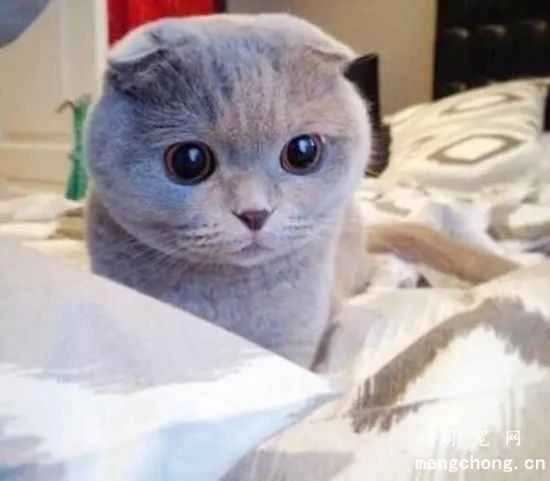
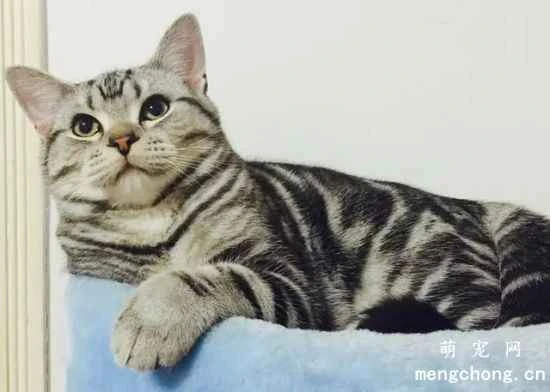
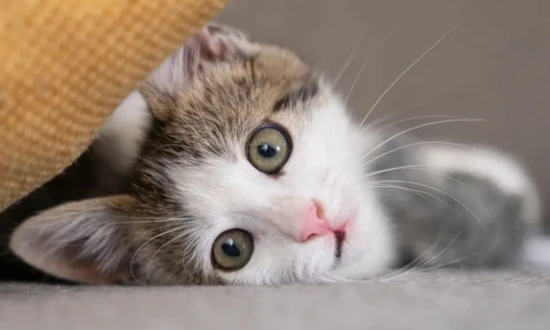
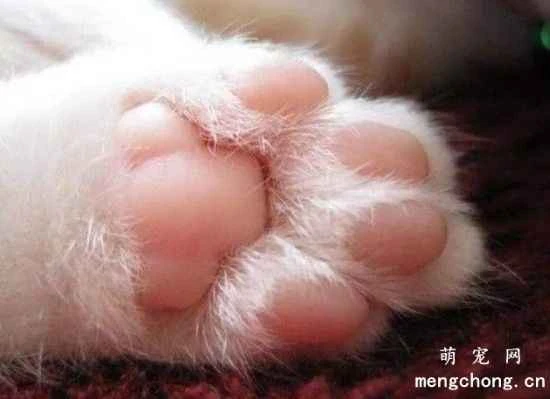
A cat's soft, cuddly paw pads are incredibly cute, a surefire way to charm. We usually focus on whether our cats are sick or eating well, but we often overlook the health of their paw pads. In fact, a cat's paw pads serve many purposes. Healthy paw pads are essential for a cat's normal life, so a cat absolutely cannot live without them. Regular grooming is also crucial.
I. The function of a cat's paw pads:
shock absorbers
A cat's paw pads are actually a collection of fat and a large number of elastic fibers. They are distributed in the palms and between the toes of a cat. When a cat falls from a height, the thick paw pads can act as shock absorbers.
heat sink
The paw pads are the only place on a cat's body with sweat glands, so even when the weather is hot, cats still rely on them to sweat.
muffler
Cats' paws, covered in soft pads, make very little noise when walking, giving them a greater advantage when hunting as they are less likely to be detected by prey or enemies.
Anti-slip mat
A cat's paw pads may look smooth, but they can sweat when a cat is highly focused, making it less likely for the cat to slip during a run.
Sensors
The seemingly thick pads are actually covered with nerves and are very sensitive, so it can feel the slightest vibrations on the ground. This evolution is of course related to hunting. 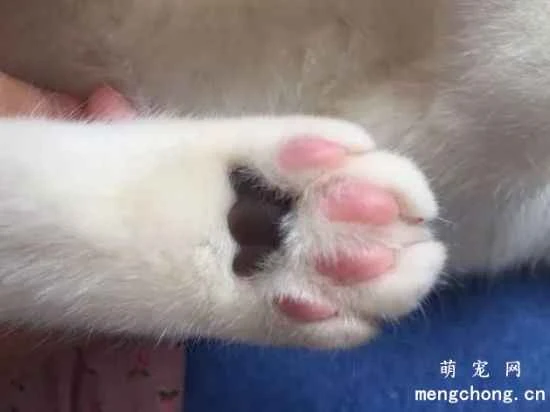
II. Cat Paw Pad Care
What kind of care should be used?
Actually, there are now special grooming creams and gels for cats available. If you're interested, you can ask at a pet store or search on Taobao. If you can't find them, you can use some oils that are harmless to cats. However, never use human moisturizers with added chemicals, as they may cause poisoning in cats. I recommend olive oil, which is not only harmless to cats but also easily absorbed.
Nursing steps:
1. First, carefully observe the cat's paw pads to see if there are any cracks, peeling, or other damage. If there are any damaged areas, these areas will require special care.
2. If your cat has a lot of fur on its paw pads, you can consider using small grooming scissors to trim it, especially in summer, as this can help your cat cool down. In winter, you can skip this step.
3. It's best to use a cotton ball dipped in warm water to wipe the cat's paw pads first, which can help soften the keratin.
4. Next, prepare some olive oil. Without using any other tools, just dip your hand in it and wipe the cat's paw pads. After applying the olive oil to the cat's paw pads, gently rub it to promote full absorption and massage.
5. The skin pads near the toes and the grooves are particularly prone to dryness, cracking, and peeling. Be sure to apply the cream and massage it in thoroughly. Don't forget the fleshy bumps on your elbows either.
As can be seen from the above article, a cat's paw pads are very useful, so paw pad care is essential. Regularly checking a cat's paw pads for injuries and peeling is something every pet owner needs to do and should not neglect.