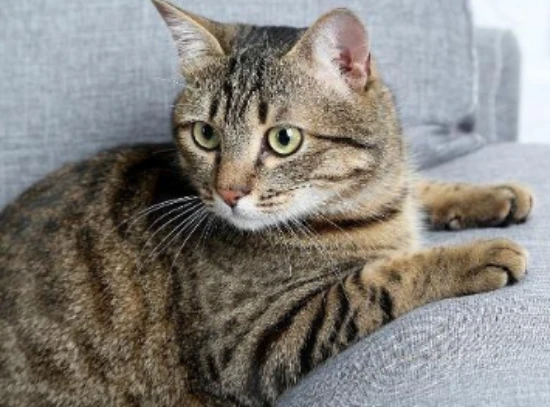
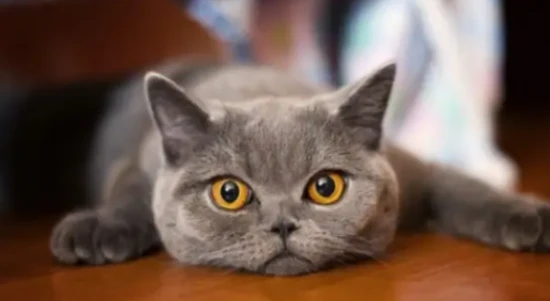
Cats are independent and not clingy. We might think they don't need walks, companionship, or care, but these ideas are wrong. Just because a cat doesn't need these things doesn't mean it can take care of itself. Often, cats need our attention, not just neglect. Ignoring them can lead to psychological and physical health problems. Every cat lover should think carefully before getting a cat and learn some cat care knowledge to ensure their cat's healthy growth.
Mistakes you might make when raising a cat
1. Hasty adoption
If you impulsively buy a new wallet or a new T-shirt, you can return it if you find it's the wrong color or doesn't fit. It's harmless, not against the rules, and a wallet certainly can be returned. However, adopting a living, sentient being, like a cat, and making it a member of your family is a completely different matter. Adopting a cat should be a decision you carefully consider before making it.
2. Responsible for the expenses of the cat pet store.
Adopting a cat is almost comparable to adopting a child. No responsible adoption agency would entrust a precious child to someone who is financially unprepared to provide the best care. Some shelters and cat adoption groups haven't conducted such surveys; you should ensure the cat meets its basic needs and is prepared for emergencies.
3. Failed sterilization surgery
Every day I read pleas for help from people distressed because their cats haven't been spayed/neutered: male cats' musky scent splatters everywhere in the house or they run outside to fight with other males; female cats howl loudly during their heat cycles; or worse, they "surprisingly" give birth to litters of extra kittens. The problem facing society is overwhelming the cat population, and only spaying/neutering can solve it. By avoiding increased medical problems, there's no reason not to do it.
4. Neglecting necessary veterinary treatment
While cats can recover quickly from minor illnesses, they can also die rapidly if emergencies are not recognized in time. Cats need certain vaccinations and annual checkups, and absolutely require and should receive veterinary care if they are sick or injured. Don't hesitate to choose (and hire) a good veterinarian.
5. The false economics of choosing cat food
The money saved from buying inexpensive cat food can be used for hundreds of vet visits. Cats are natural carnivores and need a good source of meat protein. They don't need large amounts of food filler, especially corn, which is an inexpensive protein source used by many cat food manufacturers. Learn how to choose cat food and select the best cat food you can afford. You'll find your cat eats less high-quality food because they don't need to overeat to get the nutrients they need.
6. The claim that declawing surgery is untrue.
Many uninformed new cat owners have gone down the path of declawing when a veterinarian asks, "Would you like your kitten declawing when we neuter it?" Some veterinarians consider declawing a "routine" surgery, while cat advocates argue it's cruel, inhumane, and rarely necessary. Learn the facts so you can make an informed decision.
7. Allow cats to roam freely outdoors.
Many people believe cats should live outdoors freely, with fresh air and plenty of sunshine, while others offer evidence that cats can be happy and healthy living entirely indoors. The outdoors is dangerous, the indoors is simple—these two viewpoints are not in a fair debate. Fortunately, there are many compromises that allow you and your cat to have the best of both worlds while keeping him/her safe and happy.
8. Neglecting litter box maintenance
Cats typically use a litter box, and if it's kept very clean, with no unpleasant scents or scratches, this will prevent them from damaging it. Maintaining your cat's litter box will ensure you don't encounter litter box performance problems. Warning: If your cat suddenly starts urinating outside the litter box despite your careful maintenance, you should immediately suspect a urinary tract problem, which is an urgent issue for a veterinarian.
9. Consider the cat's attributes
Once you join the ranks of cat lovers, you'll quickly realize that we typically consider our cats as family members, not just "pets." While cats may be considered "property" under the laws of some jurisdictions at the end of their term. You no longer "own" the cat more than you own a person. If you haven't quite grasped the difference yet, your new cat will let you know quickly. In fact, many cat lovers describe themselves as being owned by their cats.
10. It is not permissible to think of a cat as merely a cat.
A cat is not a child, nor is it a dog. A cat's unique qualities make it a lovable animal. On the other hand, some of its characteristics can manifest as frustration because we don't understand its needs. Cats instinctively seek high places and sharpen their claws because they are cats, not because they are stubborn or rebellious. Our job is to accommodate these needs in an acceptable way.