Soft stool in cats refers to stools that are soft, unformed, or pasty. Soft stool is a common health problem in cats and can be caused by a variety of reasons. Understanding the causes of soft stool can help cat owners take timely measures to protect their cat's health.
PART
Pet Raising Guide
One of the common causes of soft stools in cats is dietary issues.
A cat's diet that is too oily or contains too much fat, sugar, or salt can cause soft stools. Additionally, suddenly changing a cat's eating habits or giving it too many treats can also lead to soft stools.
Soft stools in cats can also be caused by digestive problems.
For example, gastrointestinal infections, intestinal parasites, and gastrointestinal diseases can all cause soft stools in cats. Additionally, allergies or intolerances to certain foods can also cause soft stools in cats.
Soft stools in cats can also be related to environmental factors.
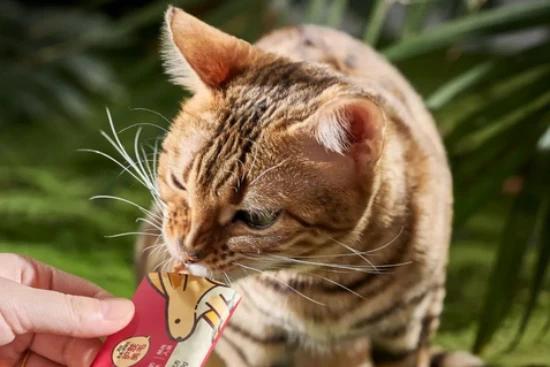
For example, insufficient water intake, excessive environmental stress, and changes in lifestyle can all lead to soft stools in cats. Additionally, viral or bacterial infections, or prolonged periods of anxiety or stress, can also cause soft stools in cats.
To help your cat recover from soft stools, here are some steps you can take: First, adjust your cat's diet, ensuring a balanced intake of nutrients and avoiding overly oily or spicy foods. Second, help your cat establish a regular lifestyle and maintain a positive environment and emotional state. If the soft stools persist or worsen, it's recommended to seek veterinary attention promptly for diagnosis and appropriate treatment.