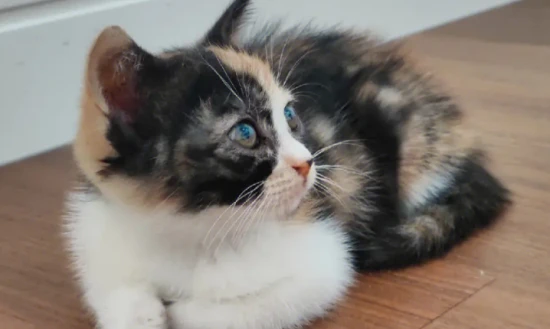
Have you ever tried to express your love for your cat, only to be met with a cold rejection? You might feel confused, or even a little hurt. So today, let's explore this seemingly ordinary but actually quite interesting question—why won't your cat let you touch it? 
I. A Cat's Independence and Self-Preservation Awareness
We must recognize that cats are highly independent animals. Their lifestyle necessitates a certain degree of independence and self-preservation. This means that excessive close contact can make them feel uneasy. Furthermore, cats have limited tolerance; when they feel uncomfortable, they will choose to refuse further contact.
II. Individual Differences and Personalities of Cats
Of course, every cat is unique, with its own personality and preferences. Some cats may prefer attention and petting, while others prefer solitude. If your cat belongs to the latter group, then it's not surprising that it might resist being touched.
III. Cats' social habits and tactile sensitivity
A cat's social habits are also a significant factor influencing its willingness to be touched. Typically, cats express affection and intimacy through licking and gentle nibbling. If your cat is not used to human touch, or if it has a high sensitivity to touch, it may refuse your touch.
IV. The Influence of Environmental Factors and Life Experiences
Finally, we cannot ignore the influence of environmental factors and life experiences on cat behavior. For example, if a cat has been hurt or distressed in the past, it may become resistant to human contact. Furthermore, if a cat lives in a noisy or stressful environment, it may become more alert and anxious.
V. How to improve your relationship with your cat?
Although every cat has different preferences and personalities, we can still improve our relationship with our cats through the following methods:
Respect your cat's independence and self-preservation instincts: Do not forcefully hug or pet your cat; give them enough freedom and time. Only give appropriate attention and petting when your cat shows willingness to be touched.
Understand and respect your cat's individual differences: If your cat doesn't like being touched, don't force it. Instead, try expressing your affection in other ways, such as giving it its favorite toy or food.
Create a safe and comfortable environment: Provide your cat with a quiet, comfortable, and safe living environment. This can help reduce their stress and anxiety, making them more receptive to human contact.
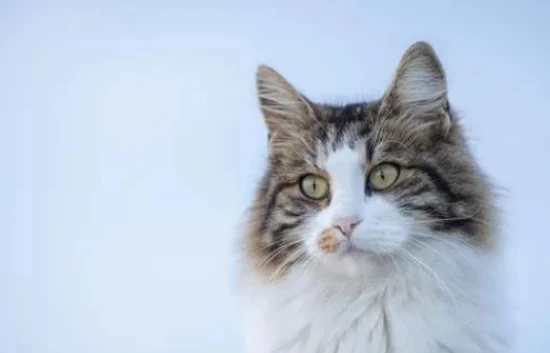
Interact with your cat gently: Maintain a gentle attitude and tone of voice when interacting with your cat. Avoid using forceful or threatening language or behavior. You can try communicating with your cat in a soft voice so that they feel your love and kindness.
Regular checkups and veterinary follow-ups: Ensure your cat is healthy and take it to the vet regularly. This allows for the timely detection and resolution of any health problems, thus improving your cat's quality of life.
Give your cat plenty of attention and companionship: Cats need socialization and companionship. Although they may not like being touched, you can build a bond with them in other ways. For example, provide your cat with toys and games, and interact with them regularly to enhance the intimacy between you.
In general, why cats don't like to be touched is a complex issue involving multiple factors. However, we can strive to improve our relationship with cats by understanding and respecting their individual differences, improving their environment and quality of life, and interacting with them gently. Remember, every cat is a unique soul, and we need to accept their differences with love and understanding. Only in this way can we truly enter their world and become their close companions.