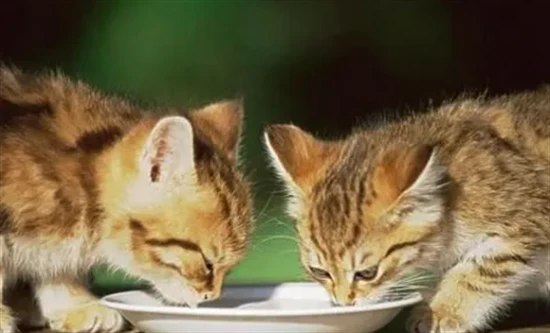
As family pets, a healthy diet is key to a cat's health and longevity. How many tips do you know for a healthy cat diet?
Tip 1: Good Habits
Developing good eating and lifestyle habits in cats helps maintain their health. Establish a regular schedule, allowing cats to eat, rest, and exercise at fixed times; walks after meals aid digestion and increase exercise; avoid overeating and control food intake appropriately to reduce the burden on their digestive system.
In addition, encouraging cats to play appropriately promotes energy expenditure and is beneficial to their health.
Tip 2: Scientific feeding
The feeding methods required for cats vary depending on their age, breed, and physical condition. Kittens need high-protein, low-fat food to meet their growth and development needs; adult cats need their calorie intake appropriately controlled to maintain a healthy physique; and senior cats need their food texture and nutritional content adjusted to meet their chewing and digestion needs.
During the feeding process, the principles of scientific feeding should be followed, and the selection and adjustment should be made according to the specific situation of the cat.
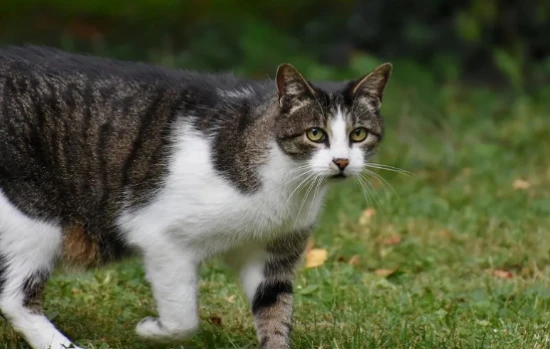
Tip 3: Fresh ingredients
Choosing fresh ingredients is crucial for a cat's health. Fresh meat and fish are rich in protein and are foods that cats enjoy; fresh vegetables and fruits provide abundant vitamins and minerals.
When choosing ingredients, pay attention to hygiene and quality, and avoid buying stale or contaminated food. At the same time, prepare a balanced diet based on your cat's tastes and health needs.

Tip 4: Healthy Water Source
Cats need clean water to maintain their health. Avoid using unclean water sources, such as tap water or rainwater, to prevent diarrhea and other diseases in cats.
Providing your cat with clean drinking water can prevent dehydration and other health problems. Also, remember to change the water regularly to keep it fresh and clean.
Tip 5: Dietary Combinations
A cat's diet should be varied to provide sufficient nutrition. A balanced diet includes cat food, cat grass, meat, fish, animal liver, fruits and vegetables, etc.
Cat food, as the main diet, should be from a reputable brand with a balanced nutritional profile; cat grass helps with hairball removal; meat, fish, and animal liver provide protein, fat, and other essential nutrients; fruits and vegetables provide additional vitamins and minerals.
Tip 6: Snack Control
Cats love snacks, but excessive snack intake can have a negative impact on their health. Appropriately controlling the amount of snacks they consume can help maintain their health.