What skills should kittens learn as they grow up?
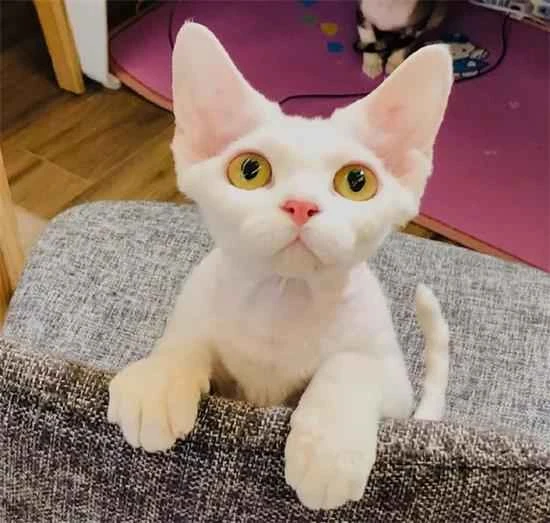
As kittens grow up, they learn lifelong skills alongside their mothers and siblings. This is often seen in wild kittens, who begin learning hunting skills at this time and benefit from them throughout their lives.
I. The growth pattern of kittens
Kittens weigh about 100 grams at birth and will double their weight in about two weeks. Kittens under two weeks old have a normal heart rate of over 200 beats per minute and a respiratory rate of about 15-35 breaths per minute. Newborn kittens have a low body temperature of about 35-36°C, which gradually rises in the first 1-2 weeks, reaching about 37.7°C by four weeks of age.
Kittens are born with a sense of pain, but the neuromuscular reflexes associated with pain don't fully develop until around 7 days old. Their eyes open between 5 and 14 days after birth, at which point the iris is grayish-blue, hence the term "grayish-blue eye." Over the next few weeks, their eyes will gradually develop the color they will have as adult kittens. However, kittens don't develop normal vision until around 3 to 4 weeks of age. They begin to crawl between 7 and 14 days old, and by 16 days they will start to waddle and learn to walk, with a more mature and steady gait by 21 days.
Kittens typically become unsteady on their feet around the third week of life; before that, they rely on their mothers to carry them. They grow their first set of teeth around two weeks old and are generally litter-trained by three weeks. At this age, kittens also start playing; four-week-old kittens will playfully bite each other, learning how not to hurt one another. Kittens begin weaning around the fifth week, starting to eat harder foods and becoming more muscular. By this time, their sense of balance is fully developed, and they learn to groom themselves. This period is a learning phase for kittens; they must learn to recognize themselves and other animals.
After a kitten is two months old, its muscles are fully developed, but it still needs a lot of exercise to accurately judge distance, height, and speed. Hunting skills are also learned during this period. Generally speaking, kittens are best kept away from their mothers until they are three months old, because kittens at this age have a sense of territory and a good sense of direction.

II. What skills should kittens learn as they grow up?
1. Learn to hunt
When the kittens are three weeks old, the mother cat, allowed to go outside by her owner, begins to bring her prey back to the nest. Initially, the mother cat brings back dead prey and eats it in front of the kittens. Later, she leaves the dead prey for her offspring. Finally, she brings back live prey for the kittens to kill. She doesn't directly teach the kittens how to kill prey, but stays with them to prevent the unfortunate victim from escaping. If the kittens are to fend for themselves in the future, they must learn to hunt and how to dispose of prey. Interestingly, whether fierce or friendly, kittens learn from their mother's example much faster than by observing other unrelated adult cats.
2. Learn to play
Like other young carnivores, kittens love to play. Play plays a vital role in a kitten's learning of how to live as an adult. Kittens practice attack and defense, training techniques such as hunting, chasing, ambushing, and killing, but they never carry things too far or harm their companions. Kittens play with an exaggerated, excited, and courageous atmosphere, clearly demonstrating that they find the game itself enjoyable. Play also helps kittens develop a sense of group identity. Kittens that cannot play with other kittens during their developmental stages may become solitary adults, sometimes even uninterested in the opposite sex.
3. Learn to have fun.
If your cat seems to be fighting, don't panic. It's usually just playful. In fact, this simulated battle is quite meaningful because the cat can learn how to attack and how to defend itself. 
Third, the owner should prepare toys for the kitten.
1. Kitten toys
While pet stores do sell toys designed specifically for cats, kittens are very curious and will quickly discover household items, such as a ball of yarn, which can also be very fun.
2. Provide a safe environment
Kittens like to climb into baskets, boxes, and other things with holes to explore, so be sure to put away anything your kitten might climb into.
If a cat is brought home to be raised at a very young age, it usually won't have any hunting skills because it's a learning process, not an instinct. Therefore, not all cats will learn hunting skills.