5 common reasons why cats shed and their solutions
Five common causes of excessive shedding in cats include seasonal molting, malnutrition, skin diseases, stress or anxiety, and excessive grooming. Solutions include regular grooming, adjusting diet, seeking veterinary care, reducing stress, and appropriate grooming practices.
First, seasonal molting is a common cause of shedding in cats. During spring and autumn, cats undergo extensive molting to adapt to climate changes. At this time, regular grooming is crucial, effectively removing dead hair, promoting new hair growth, and reducing hair loss around the house.
Secondly, malnutrition can also cause hair loss in cats. A lack of essential fatty acids, proteins, and vitamins can affect the health of a cat's coat. The solution is to adjust their diet, choosing high-quality cat food rich in these nutrients, or supplementing with appropriate nutrients as advised by a veterinarian or pet nutritionist. 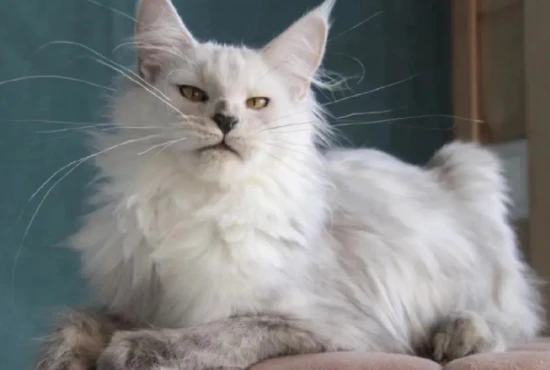
Skin diseases are another common cause, such as fungal infections, parasites, and allergies. These diseases usually cause itchy, red, and swollen skin and hair loss in cats. If you notice these symptoms in your cat, you should take it to a veterinarian promptly for professional diagnosis and treatment.
In addition, stress and anxiety can also cause excessive shedding in cats. For example, sudden changes in environment, changes in family members, or lack of companionship can all cause stress in cats. To reduce a cat's stress, owners can spend more time with their feline companions, provide a quiet and comfortable environment, or use stress-relieving toys and cat grass.
Finally, excessive grooming can also lead to hair loss. While grooming is beneficial for cats, excessive grooming can damage the skin and hair follicles, causing hair loss. Therefore, owners should moderate their cat's grooming behavior and trim their fur regularly to maintain a clean appearance and healthy skin.