Medicated bath methods for treating ringworm in cats:
1. Use a slightly smaller plastic bucket, just big enough for the cat to sit in.
2. The water level should be moderate, just up to the cat's neck. This allows the cat to fully immerse its skin in the bucket, and the water is less likely to spill.
3. Do not bathe your cat for too long. Be gentle and avoid startling or stimulating them. Comfort them and make them feel at ease during the bath.
4. After washing, use plenty of clean toilet paper to dry the cat. This helps prevent cross-infection. The toilet paper can be thrown away after use without needing to be disinfected.
5. Use at least two plastic tubs; wash one and rinse the other, rinsing at least twice to ensure they are clean. Note: Plastic tubs must be disinfected with 84 disinfectant after each use. After disinfection with 84 disinfectant, rinse thoroughly with clean water. When showering, wash the tubs with milder symptoms first, then those with more severe symptoms. 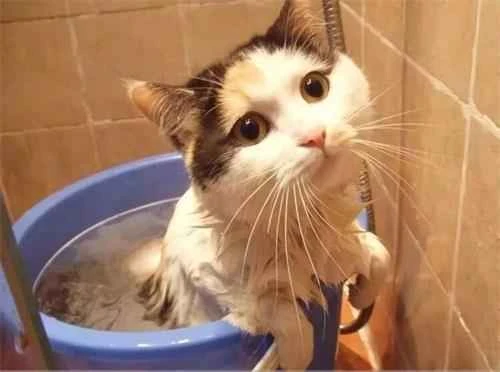
Treatment methods for mild cases of ringworm in cats:
1. Isolate the cat and clean the house.
Ringworm in cats can be transmitted to humans. If you discover your cat has ringworm, isolate it in a well-ventilated, dry place to prevent contact with humans and other cats. Ringworm is usually caused by an unclean environment, so you should clean your home thoroughly, collect all of your cat's belongings, and disinfect them with diluted disinfectant. When the weather is nice and sunny, expose the cat's belongings to direct sunlight. In addition to this thorough cleaning, you should also clean your home regularly to reduce the growth of bacteria.
2. Localized shaving using a spray.
After cleaning, the cat owner located the area with ringworm and used a shaving tool to shave the fur around the affected area. Then, they applied hydrogen peroxide to the area and, once it dried, sprayed on some antifungal spray. The cat then put an Elizabethan collar on the cat to prevent it from licking the spray. Additionally, sometimes cats feel itchy in the affected area and try to scratch it. The owner should trim the cat's nails appropriately to prevent scratching and potential skin damage.
3. Replenish nutrients and get some sunshine.
Kittens with weaker constitutions and older cats are more susceptible to ringworm. This is often due to a lack of nutrition in their diet. It's recommended that cat owners feed their cats more nutritious food, such as high-quality cat food, freeze-dried cat food, appropriate amounts of canned cat food, and goat milk powder. Consider giving them some fruit after meals. A nutritious diet will strengthen their bodies and help the ringworm heal faster. Regular sun exposure is also beneficial, as it can help the ringworm heal more quickly.