Why do cats never seem to gain weight?
I. Reasons why cats don't gain weight
1. Insufficient nutrient intake
Feeding cats only one type of cat food for a long time can lead to an unbalanced diet, affecting the absorption of other nutrients, which is why cats can't gain weight no matter how much they eat. Some cat owners also fail to supplement their cats' nutrition according to their growth needs, resulting in insufficient nutrient intake.
2. Digestion and absorption problems
Cats with chronic enteritis are more prone to weight loss because the small intestine is the main site for the body to digest and absorb nutrients. If there are problems with the intestines, the cat will often have soft stools and diarrhea, which will usually affect the body's absorption of nutrients, so it is difficult for the cat to gain weight.
3. Infection with parasites
Cats that aren't regularly dewormed may also struggle to gain weight, no matter how much they eat. This is because internal parasites consume nutrients in the intestines, leading to malnutrition. Parasites can also damage the cat's intestinal protective layer, causing symptoms such as diarrhea and bloody stools, further contributing to nutrient loss.
4. Fast metabolism
Some cats have a faster metabolism, and due to the influence of hormones during prolonged estrus cycles, they consume a lot of energy and therefore require more nutrition than cats of the same size. 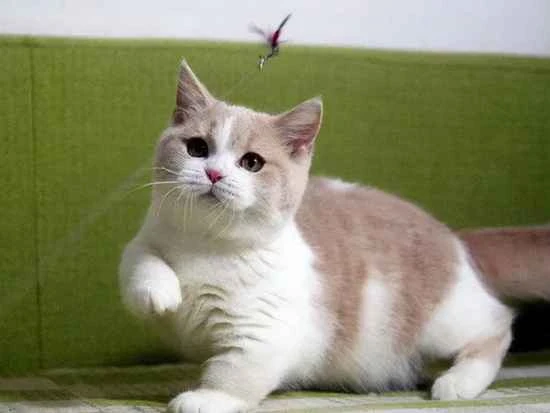
II. What to do if your cat doesn't gain weight despite eating?
1. Supplement protein
Cats have digestive enzymes that are more efficient at digesting and utilizing protein, so they should not be fed high-starch foods for a long time. It is recommended to switch to other high-protein diets for cats and to feed them appropriate amounts of nutritional pastes, meat, goat milk, milk cakes, and other foods that are high in protein or energy.
2. Regular deworming
Regardless of whether a cat usually goes outside, adult cats should be dewormed at least once every 3 months, and cats under 6 months old need to be dewormed regularly, with a recommended frequency of once a month.
3. Get sterilized in a timely manner.
After a cat is spayed or neutered, its hormone levels gradually stabilize, and its metabolism slows down. Combined with reduced activity levels, this makes them more prone to weight gain. However, once a cat's weight has reached a healthy level after spaying or neutering, owners should start controlling their cat's diet to prevent excessive obesity.