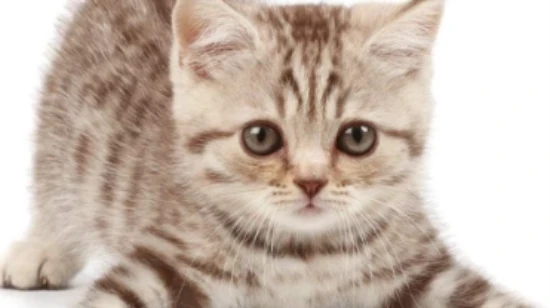
First-time cat owners often experience anxiety about their furry friends' eating, drinking, and litter box routines, even while enjoying the pleasure of petting them. We encountered many similar issues when we had our own cats before.
Today, I've compiled a beginner's guide to raising cats. This one-stop shop will help you understand all of a kitten's needs. I highly recommend sharing it with other new cat owners!
01
Full house window sealing/Full house cleaning/Supplies preparation
Cats are very curious, and if their windows aren't sealed, they might easily pounce on anything flying past, which is extremely dangerous. Therefore, cat owners must ensure their windows are properly sealed with netting, and if they have a balcony, it's best to install a railing as well.
Thorough cleaning
Especially under the bed, many kittens will hide there when they first arrive home, and under the bed is one of their go-to hiding places. Also, kittens are clean animals, and their immune systems are weaker when they are moved to a new environment.
When cleaning, remember to put any sharp or toxic items in a cabinet out of your cat's reach. Examples include scissors and mosquito coils.
Prepare basic supplies
Litter box, cat litter, food bowl, water bowl, cat food, food container, travel carrier, grooming gloves, nail clippers, cat toy, scratching post. You don't need to buy a cat bed yet; even if you do, your cat might not like sleeping there. Cats will find their own preferred sleeping spots.
You can also prepare some cleaning supplies. For example, a mite remover or vacuum cleaner, deodorizer (cat poop can be incredibly smelly), pet disinfectant, lint roller, wet wipes and cotton swabs.
02
Eat well
Different age groups have different growth needs
0-2 months
At this age, kittens have relatively fragile digestive systems. If possible, breastfeeding will strengthen their immunity and make them less prone to illness. If breast milk is unavailable, you can feed them specialized pet goat milk powder.
2 months to 6 months
At this stage, kittens' digestive systems are not yet fully developed. You can soak kitten food in goat milk powder to soften it before feeding. It is recommended to choose hypoallergenic kitten food or kitten food that can prevent soft stools. You can also feed them some kitten mousse canned food during this period.
6 months - 5 years
During this stage, cats gradually transition from kittens to young adults. If you do not plan to breed your cat, you should have it spayed or neutered in time, and you can also switch its main food to complete life food or adult cat food.
5 years and older
Cats in this age group and above are gradually entering middle and old age, and their vitality decreases, so it is important to choose cat food that is easy to digest and absorb.
P.S.: Foods that cats absolutely must not eat!
Onions, alcoholic beverages, grapes, caffeinated foods, milk, and grains.
03
Duoduo cheats water
Prevention of urinary system diseases
Cats are naturally reluctant to drink water, which can easily lead to urinary tract diseases caused by dehydration, so you need to trick your feline overlord into drinking water as much as possible.
How much water should a cat drink per day?
Follow your weight; 30-50ml per kilogram per day is sufficient, and 1-3 urinations per day is normal. Too much or too little is not good.
What kind of water is suitable for cats to drink?
Cool or warm water is fine, as is boiled water or commercially available purified/mineral water. Avoid giving them tap water directly. Basically, anything that humans can drink, cats can drink too.
What should I do if my cat doesn't like to drink water?
1) Prepare 1-2 extra water bowls in areas where the cat frequently passes by; it will drink more from them.
2) Cats like to drink running and fresh water. Change the water bowl at least once a day to keep it clean. For some cats that don't like to drink water, you can also try a cat water fountain (change the water once a day).
3) Rehydrate freeze-dried food before feeding it to your cat. You can also supplement with some wet canned food. When feeding your cat, add a little water to the canned food so that your cat can get water while eating it.
04
Observe the stool
A daily must-do for pet owners
What should I do if my cat poops everywhere?
When you bring a new cat home, you should first teach it to use the litter box. If it urinates outside the litter box, clean up the area where it urinated and put something the cat doesn't like, such as a lemon, in the litter box to prevent it from urinating outside the litter box again.
The poop smells so bad I can't stand it?
The cat might be experiencing digestive issues; you could consider switching its food. Alternatively, choose cat litter with good odor control; many cat litters nowadays are scented. Finally, always keep deodorizer on hand.
What should I do if my cat has diarrhea?
It's normal for cats to have diarrhea when stressed. This will resolve itself as the cat gets used to its new environment. If there's no improvement after a while, take the cat to the vet immediately.
05
In vivo and in vitro
Remember to deworm on time.
In theory, kittens should be dewormed externally at 2 months of age and internally at 3 months of age. If the kitten is active and healthy, it can be dewormed slightly earlier.