The cat is lethargic and not eating.
If your cat isn't eating, is lethargic, and sleeps all day, the most likely reason is that it's sick. Cats getting sick is inevitable in cat ownership. If the illness doesn't affect its appetite, that's fine, but if a sick cat refuses to eat, the owner will naturally worry. After all, nutrition comes from food, and not eating will lower its immunity, cause it to lose weight, and even if it recovers, its body will suffer in the long run. Below, we'll discuss what to do when your cat is sick and refuses to eat. 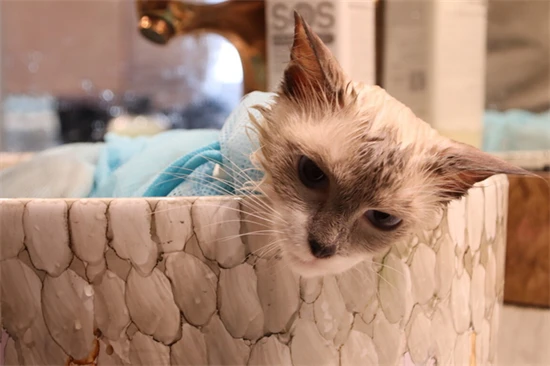
1. Cats often lose their appetite when they are sick.
When cats get sick, their digestive function is often affected, frequently manifesting as loss of appetite, even refusing to eat or drink, vomiting, and diarrhea. If easily digestible, nutritious, and palatable food, and especially plenty of water, are not provided promptly, it can lead to a series of bodily dysfunctions, acidosis, heart failure, and even death. Therefore, providing ample drinking water is crucial for the proper care of a sick cat.
Add a small amount of salt to the cat's drinking water (0.9 grams of salt per 100 ml of water) to maintain the cat's water and electrolyte balance. If the cat is sick and refuses to drink water, you can use a small rubber ball, plastic bottle, or syringe to force-feed it, but be very careful not to rush it to prevent choking. If the cat is severely dehydrated, intravenous fluids are necessary to completely resolve the problem. Cats with digestive system diseases should be given palatable and easily digestible liquid foods, such as egg drop soup, meat broth, milk, rice water, and sugar water. These foods are easy to digest and suitable for feeding sick cats, but they are low in minerals and vitamins, so these substances should be added appropriately when feeding.
Second, if a cat is sick, a diagnosis should be made and treatment should be initiated as soon as possible.
1. Abdominal changes: An enlarged abdominal girth and tense abdominal wall, producing a drum-like sound when percussed, indicate bloating. Conversely, a decreased abdominal girth and increased sensitivity to touch may indicate peritonitis or abdominal pain.
2. Oral symptoms: A cat's normal mouth color is light pink. When a cat has a fever, its mouth becomes flushed; when it is anemic, it becomes pale; when it has liver disease, it becomes scorched; and when it is severely ill, it becomes bluish-purple. In addition, you should also pay attention to the cat's oral secretions, tongue coating, gums, buccal mucosa, and whether there are any abnormalities such as blisters, ulcers, or swelling in the throat.
3. Changes in the nose: A normal cat's nose is cool and moist. If the cat's nose is hot, dry, or even cracked, this is abnormal. Additionally, cats rarely have runny noses; increased nasal discharge could be a sign of illness.
4. Early detection of feline ear diseases: A cat's ears are normally flexible and responsive to sound, but this is often the case when a cat is sick. Additionally, check for any abnormalities inside the cat's ears, such as discharge or crusting.
5. Pay attention to vomiting in cats: Losing appetite is just one symptom of illness in cats; they are also prone to vomiting when sick. Vomiting in cats can be divided into pathological and physiological vomiting. Physiological vomiting is a protective reflex, usually occurring only once and is normal. However, repeated vomiting caused by certain viral diseases, gastrointestinal diseases, fever, colds, pneumonia, liver disease, food poisoning, foreign objects in the stomach, parasites, stomach bleeding, ulcers, etc., should not be taken lightly.
6. Coughing and sneezing in cats: Sneezing in cats is often a sign of being chilled or having a cold, while coughing suggests a possible lung or respiratory infection.
7. Observe the cat's feces: Under normal circumstances, the frequency, shape, quantity, odor, and color of a cat's feces are relatively stable. If the feces are dry, hard, infrequent, dark in color, and often contain a small amount of mucus, it may be a sign of fever, constipation, or chronic gastroenteritis. If the feces are soft, unformed, or watery, or even mixed with mucus, pus, blood, or bubbles, it indicates a more serious condition.
If vomiting is caused by gastrointestinal problems, you can feed your cat some PetDa Probiotics, which can effectively help regulate the gut flora and digestive system.
If your cat is sick and refuses to eat, take it to a professional veterinary hospital for treatment as soon as possible. If there is no veterinary hospital near your home, try to consult some veterinarians. Sick cats are very vulnerable. While taking good care of the sick cat, the owner should try to provide it with nutrition and some treatment. After a period of time, the cat will naturally recover.