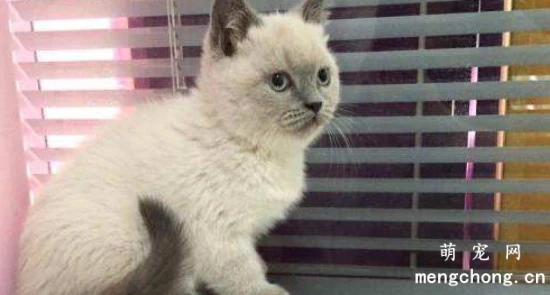
Chinchilla cats are clean animals, so owners must ensure a clean living environment. They also love to run and jump, so owners need to spend time playing with them. Chinchillas are intelligent cats; with a little training, they can follow commands and might even surprise you. So, what do you need to do to properly care for a Chinchilla? 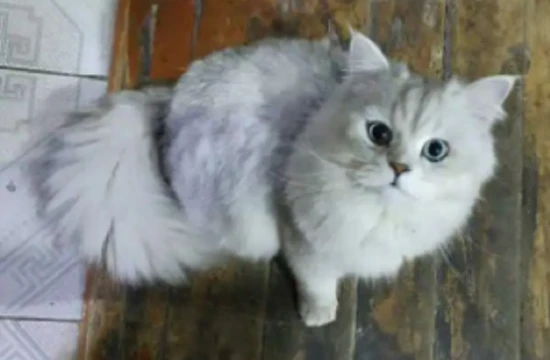
1. Pay attention to gastrointestinal and skin care
Raising a Chinchilla cat is similar to caring for a Persian cat; you need to pay close attention to its digestive system and skin care. Because Chinchilla cats produce excessive facial secretions, facial cleaning and care are also essential.
2. Keep your home dry
Chinchilla cats thrive best in dry environments. If you love your cat, you might want to use air conditioning or a dehumidifier to lower the humidity and make it more comfortable for your feline companion.
3. Brush your fur daily.
Owners should spend 5 to 10 minutes brushing their cats' fur daily to prevent tangles. Cats that aren't brushed regularly may develop excessive and tight tangles, requiring their fur to be completely shaved or trimmed. A matted coat is also a breeding ground for bacteria, so cat lovers shouldn't be lazy!
IV. Clean your body regularly
If the living environment is damp and the house is cluttered, the cat will often have the opportunity to walk around and easily get covered in dust. The owner should clean the cat's body every 2 to 3 weeks. Conversely, if the owner can keep the home dry and clean, the cat will only need to be bathed about once every 2 months.
V. Feed at regular times and in fixed quantities
When it comes to feeding, it is advisable to feed Chinchilla cats at regular times and in fixed quantities. This makes it easier for owners to notice when their cats have no appetite and to prevent illness or indigestion from occurring in advance.
VI. Patient training
Each training session for a Chinchilla should not exceed 15 minutes. For best results, train your cat before meals, as they are most receptive to training at this time. If your cat fails to learn a skill after a long period, do not scold or punish it, otherwise it may never want to learn again.