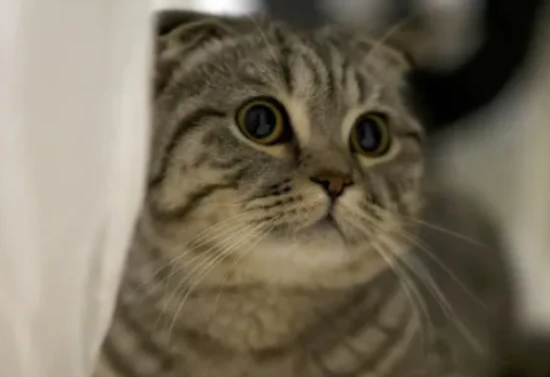
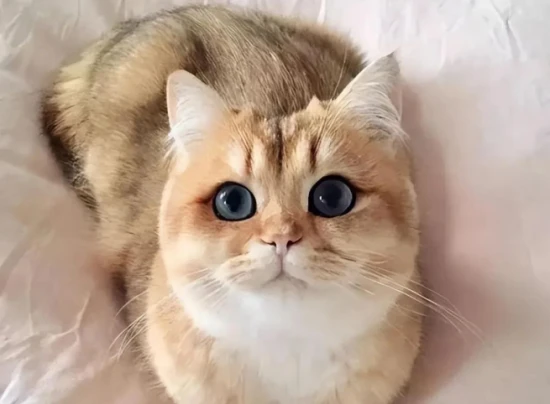
Summer is just around the corner, and the heat often makes many people feel lethargic, lacking energy, and even unwilling to move. Cats, known for their aloofness, are even less likely to want to eat, perhaps even refusing to eat their cat food. This is when cat owners start to worry: what should you do if your cat refuses to eat in the summer? 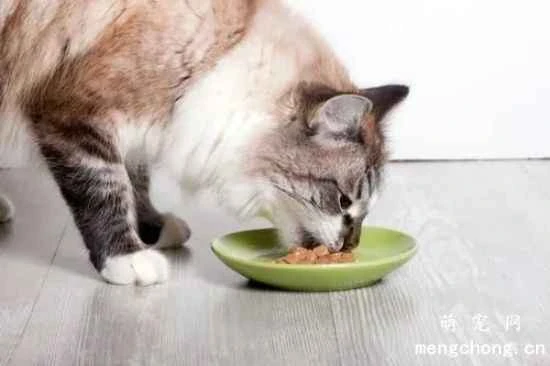
First, if the food provided by the owner is unsuitable, rotten, spoiled, or has an unpleasant smell, the cat will become picky about food, lose its appetite, and refuse to eat properly.
Secondly, when a cat is in a new and unfamiliar environment, it may experience stress and refuse to eat properly.
Third, illnesses such as colds, heatstroke, gastroenteritis, canine distemper, and parvovirus can also affect a cat's appetite, causing it to lose its appetite and be unable to eat properly.
Fourth, excessive pampering by the owner can lead to bad eating habits in the cat from a young age, which can cause the cat to refuse to eat properly when it grows up.
In summer, don't force your cat to eat too much. Just prepare a variety of delicious, light meals at regular times each day and let your cat eat on its own. In addition to food, provide plenty of drinking water so your cat can drink whenever it wants. Remember, water is very important for cats in summer (and always is), but due to the climate, cats tend to drink more water in summer, so providing enough is crucial. You can also give them some fruit as a small treat.
Also, make a small cooling mat for your pet; it will keep them cool while sleeping. If your cat is very hot, you can wipe their paw pads with alcohol-soaked cotton balls to help dissipate heat. Of course, if the heat is caused by illness, you should take your cat to the vet.