Cats differ from humans in that they retain their tails. This doesn't mean cats are inferior animals; it simply indicates that the tail is very important to them. For example, a cat's tail helps it maintain balance, and the nervous system in the tail is highly developed, serving as part of its tactile sense. Furthermore, the tail can express different emotions and behaviors in cats. Of course, besides its many functions, a cat's tail also feels nice to the touch, and its small, delicate shape is another distinctive feature. 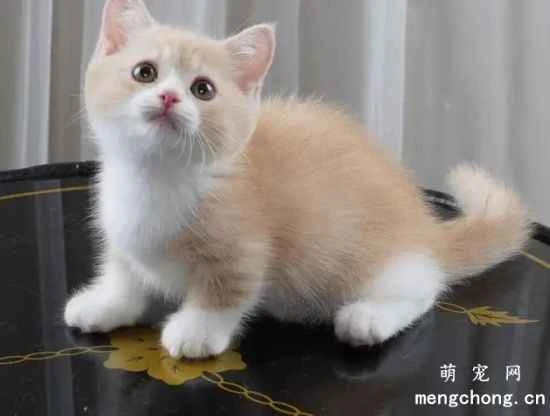
The base of a cat's tail connects to the nerve endings of the spine, stimulating the cat's sensory nervous system and making it one of the most sensitive parts of the body. The tail is also crucial for felines to express emotions and maintain balance. Injury to the tail can cause vomiting and unsteady gait in cats. Therefore, it's not a matter of whether the cat likes it or not; the key is to avoid pulling on a cat's tail forcefully whenever possible.
A cat's tail is connected to its tailbone and plays a crucial role in maintaining balance during movement. We often see cats fall from heights, yet they always land easily and unharmed. A major contributor to this is the cat's tail. When a cat falls, its tail extends straight out and continuously wags until it feels the tail is pointing in the right direction. Then, it rotates its body to align its tail with the body, landing on all fours. Therefore, cats generally don't get hurt when jumping from heights and can land safely.
So, with so many uses for a cat's tail, do we often play with it? Especially children, who are curious about everything, often notice that long thing behind a cat's rear end. It seems fun, and they can't resist touching it. However, young children have one thing in common: they put everything they grab into their mouths. If a child grabs a cat's tail and puts it in their mouth, the consequences could be serious. We all know cats are very aloof, and their tails are very sensitive; touching them could have serious consequences. A cat getting angry and scratching or biting a child is something no parent wants to see.
Additionally, some adults grab cats by the tail when handling them. This might be for play or to teach the cat a lesson. However, some people have noticed their cats becoming unwell or even developing diarrhea after this. So, does grabbing the tail really cause diarrhea? Actually, there's no evidence to suggest a direct link between tail-grabbing and diarrhea. However, if pulling the tail too forcefully causes nerve damage, diarrhea cannot be ruled out. Cats are quite sensitive animals, and psychological factors have a significant impact on them. If diarrhea does occur after tail-grabbing, I personally believe it's more likely that the tail-grabbing frightened the cat, causing stress that led to gastrointestinal upset or triggered other underlying medical conditions.
Therefore, there's a correct method for catching a cat. A general method is to hold the cat by the back of its neck with one hand, and support its lower back or rump with the other, so that most of the cat's weight rests on the hand supporting its rump. Alternatively, place one hand under the cat's chest and gently grasp its front legs. Before catching the cat, it's safer to get to know it for a while, such as gently patting its forehead and stroking its back; after catching the cat, immediately and gently stroke its head to calm it down as quickly as possible.
In short, grabbing a cat's tail has two consequences. For humans, it may cause injury. For cats, it can cause stress, and severe stress can lead to various symptoms. Therefore, we should try to avoid grabbing a cat's tail in daily life.