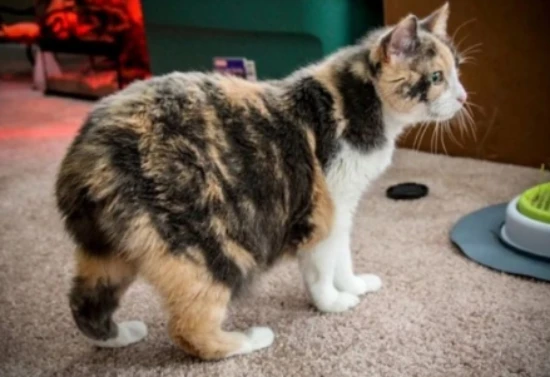
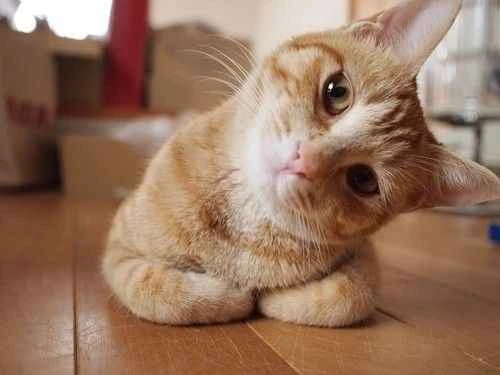
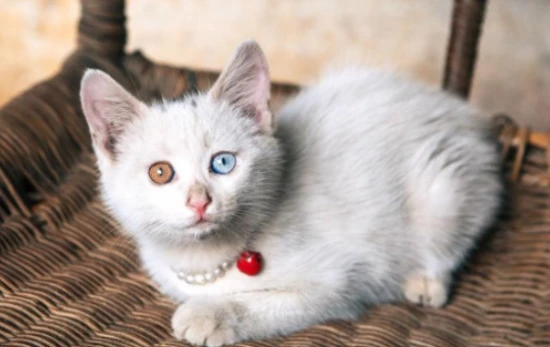
Will the kitten realize its mistake?
Actually, the word "mistake" doesn't exist in a cat's dictionary! Because:
Cats are not actually aware that what they are doing is wrong or sinful.
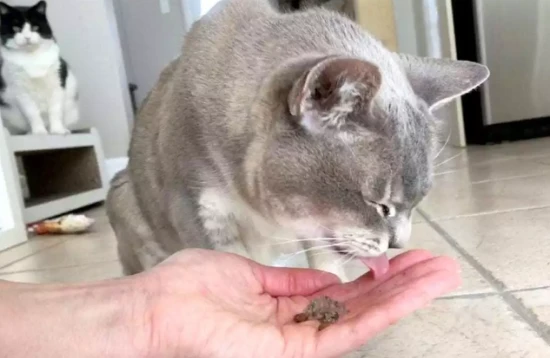
If they exhibit similar feelings of guilt or avoidance, it's simply because they sensed your anger and are reacting to it.
However, although cats don't know they've made a mistake, they can be gradually guided to understand what things you don't want them to do.
Most of the time, cats can only guess what you're unhappy about.
This is why many people insist on using punishment to educate cats, and even believe that as long as they don't beat them severely, using methods such as frightening, slapping, and scolding is the correct way to treat cats that have made mistakes.
But actually, this isn't very reliable.
In most cases, you won't catch your cat at the "crime scene."
Most people only realize their cat has misbehaved long after the cat has done something wrong.
Simply put, they didn't catch them in the act.
Finally, they caught him red-handed!
Therefore, no matter how much you scold them afterward, they will only be confused—I was sleeping here quietly, why are you being so fierce?
Why are you suddenly being mean to me?
Cats don't understand human language, so there's no room for guessing. Scolding them will only frighten them and make them stay away from you.
What if they get caught? Can they then be "educated"?
Some people realized this and learned to "catch them in the act." Then they took action:
Scolding loudly will startle the cat.
Use a water gun or spray bottle to scare the cat.
Make noise or use a smell your cat doesn't like to scare it away.
Water guns used to be a common method for training cats, but they have been gradually abandoned in recent years.
These methods are called "aversive stimuli," which involve letting the cat know that "doing this will bring bad luck or a fright."
While this may sometimes be effective, and some people may even think their cats are "trained," it actually carries many hidden dangers!
First, this approach might fail.
Not all cats learn from being yelled at. Some cats even think, "If I do this, my owner will yell at me! So I'll do it again..."
Some cats actually really like water guns...
Water guns or spray bottles can sometimes frighten cats and create a bad impression of you! These negative stimuli can even cause cats to accumulate more stress, leading to other behavioral problems.
Secondly, the problem was not completely solved.
Most of the things you perceive as mistakes in cats have a reason.
You only stopped the behavior, but you didn't solve the root of the problem, so the cat just found another way to vent its frustrations.
For example, do you yell at your cat when it scratches the sofa?
—Even though it ran away, you didn't solve its need for sharpening its claws, so it might start scratching the paper tube.
Where can't you arrest them? Let's go somewhere else!
Your kitten likes to bite you while playing. Did you solve the problem by pinching the back of its neck?
—But their need for play and interaction is not being met, so they might go and cause trouble in other ways to vent their energy.
Actually, I just wanted to have some fun.
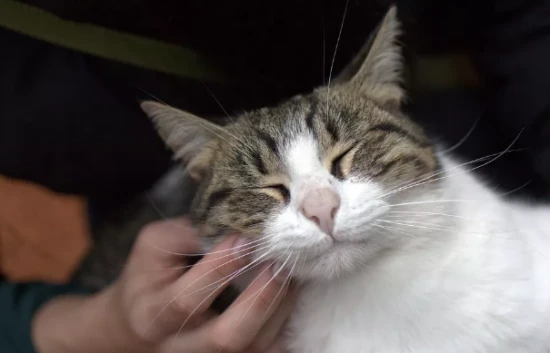
So you should think carefully about what exactly is preventing your cat from fulfilling its natural instincts? Solve the problem first, and your cat won't make the same mistake.
And some of the cat's fault is actually your fault.
What if your cat keeps breaking things?
This is all your fault for not storing and securing things properly, and for not providing a variety of toys that your child likes.
What if your cat likes to rummage through the trash?
Did you fail to meet their dietary needs while also leaving the trash can covered?
What if your cat keeps urinating in the wrong places and doesn't change its behavior?
That might be something you haven't noticed, but they've been accumulating a lot of pressure, and they only acted like this because they couldn't take it anymore!
Some examples can be used for reference.