For cats with chronic kidney disease
What happens if you don't eat?
Chronic kidney disease in cats is divided into four stages, with later stages indicating greater severity. Typically, between stages two and three, cats begin to experience loss of appetite, with their appetite fluctuating frequently. Since the kidneys are responsible for detoxification, when they become increasingly unable to metabolize properly and maintain fluid balance, uremic toxins gradually accumulate and spread in the body, most commonly damaging the gastrointestinal tract. Therefore, cats may begin to experience vomiting, diarrhea, a urinary odor in their breath, and mouth ulcers, all of which affect their appetite.
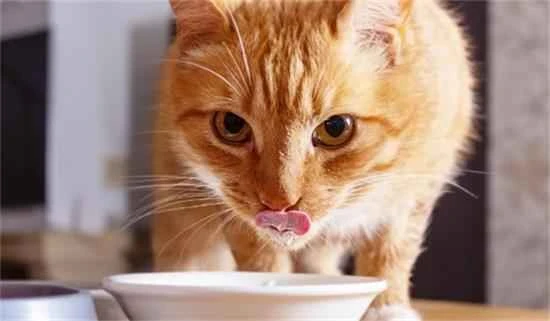
However, "eating" is very important for cats with kidney disease! Because not eating can cause cats to lose weight rapidly, lose muscle mass, become weaker, have a weaker immune system, and accelerate the deterioration of their condition. So, eating gives them a better chance of survival. Although veterinarians may sometimes prescribe some appetite-stimulating drugs in the hope of helping them eat more, "food palatability" is a very important consideration.
PART2
The principle of drinking water for cats with kidney disease: It's not as important as drinking water properly.
As kidney function gradually declines, cats also lose water, often leading to dehydration, much like being in a hangover state. Many of the unpleasant symptoms of a hangover (such as headaches, muscle aches, and lethargy) are caused by dehydration.
Therefore, in addition to eating normally, it is also very important to consume an adequate amount of water! Because animal kidneys have a forced drainage mechanism to prevent excessive water from diluting the electrolytes in the body, if a large amount of water enters the body at once, the kidneys will mistakenly think that there is too much water in the body, and thus activate the forced drainage mechanism, causing the body to lose even more water, resulting in thicker blood and more severe dehydration.
PART 3
Why do the levels of protein in patients with chronic kidney disease differ between the early and later stages?
Because digesting protein produces nitrogenous waste, but when kidney function begins to decline, the body cannot easily excrete these wastes, and the blood urea (BUN) level will also rise. When too much nitrogenous waste accumulates, it can cause ulcers and gastrointestinal bleeding in the digestive tract, shorten the lifespan of red blood cells, affect platelet function, and lead to anemia.
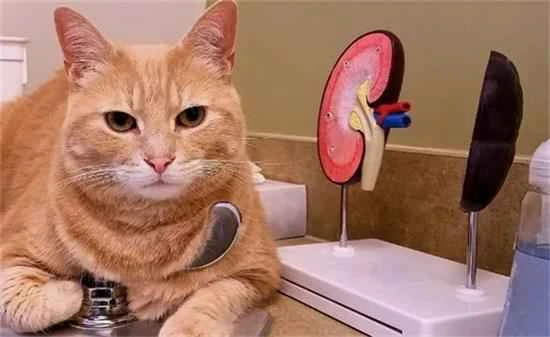
However, because cats are carnivores, their primary source of energy is protein. Excessively restricting protein intake, leading to protein energy depletion (the body uses protein for energy), can actually worsen kidney function. Cats with kidney problems will become weaker, experiencing muscle loss, lethargy, or malnutrition, and in severe cases, even death. Therefore, pet owners must actively cooperate with the treatment process, as the veterinarian will determine the appropriate protein intake based on the cat's current kidney disease stage, physical condition, and protein levels.
I usually recommend feeding them prescription food with high-quality protein sources to reduce the burden on their kidneys to metabolize nitrogenous waste. Since cats with kidney problems commonly experience insufficient water intake, and food needs to have a water content of at least 65% for them to drink more water daily, and only when the water content reaches 85% will there be a significant increase, feeding them specially formulated prescription wet food is a method that increases water intake while also managing their nutrition.