Cats can eat cornmeal porridge, but it should be fed in small amounts and not long-term. Corn is a source of fiber, and cornmeal porridge can supplement cats with trace elements such as calcium and iron, and can also promote intestinal peristalsis, reducing constipation. However, cats have delicate digestive systems, and excessive or prolonged consumption of high-fiber foods like cornmeal porridge can lead to indigestion and gastrointestinal problems, so it's recommended to feed them it sparingly. 
Precautions for feeding cats:
1. Keep the food bowl clean regularly. Leftover food can be collected and mixed with fresh food and cooked before the next feeding. Do not feed cold or chilled food, as this can cause digestive problems.
2. If you find that your cat has a bad habit of taking food outside the food bowl to eat, you need to correct it immediately.
3. The cat's drinking water needs to be changed every day. Use purified water or cooled boiled water, not tap water.
4. Cat owners need to strictly control their cat's diet to prevent overeating and damage to their spleen and stomach. Overweight cats are prone to illness, so it's important to ensure they get adequate exercise.
5. Cats have a higher protein requirement, so choose cat food with a high protein content.
6. Feed small amounts of treats. If you feed too many, your cat will experience a decrease in appetite or even go on a diet.
7. For newborn kittens, it is best to feed them breast milk or goat milk powder, and not cow milk.
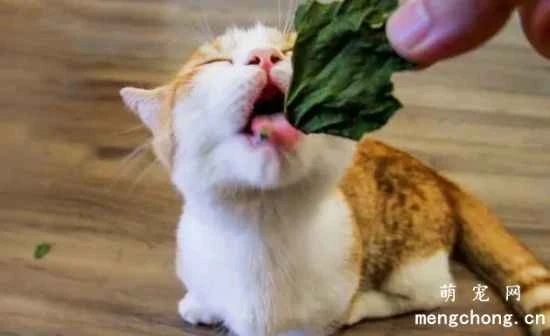
8. Feed your cat cat grass regularly and appropriately, as cat grass can supplement fiber, maintain gastrointestinal health, and promote gastrointestinal motility and digestion.
9. Pet cats should not eat raw fish or meat for extended periods, as raw meat contains more parasites and bacteria, which can damage their gastrointestinal tract and even lead to infectious diseases.