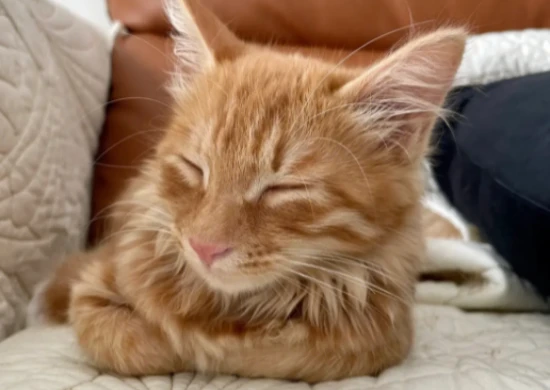
01 Reasons for decreased appetite in cats
A cat's sudden refusal to eat can stem from a variety of reasons, such as oral diseases, digestive problems, stress from environmental changes, or food that doesn't suit its taste.
The specific trigger needs to be determined by comprehensively observing changes in behavior and physical condition.
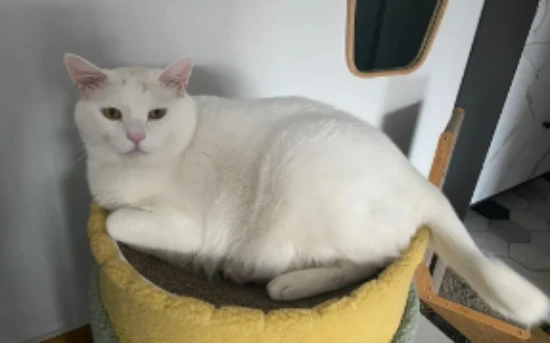
02
Mental state and health
Lethargy and excessive sleepiness in cats may be early symptoms of illness, such as chronic diseases, infectious diseases, or endocrine disorders. These can all lead to reduced physical exertion and poor mental state.
03
Warning signs of abnormal excrement
When a cat has feces on its body, it may indicate problems such as difficulty defecating, anal discomfort, or lower abdominal pain. It could also be due to behavioral abnormalities caused by a lack of cleaning.
04
Identification and treatment of ear diseases
Black discharge inside a cat's ears is often caused by ear mites or other ear canal inflammation, which can manifest as scratching the ears. Treatment requires cleaning with a special ear cleaner and using ear ointment.
05
Considerations for abnormal weight and waist circumference
Even if a cat looks round and plump, if it refuses to eat for an extended period, you should consider the possibility of ascites or other serious illnesses, especially infectious peritonitis. In such cases, you should seek veterinary examination immediately.

06
Dietary adjustment and induced eating
When a cat refuses to eat, try changing the type of food, such as canned cat food or nutritional paste. Use goat milk powder or a syringe to assist feeding to ensure that the cat can still get enough nutrition even when it is sick, and to prevent hypoglycemia and fatty liver.
07
Methods of forced feeding
If necessary, you can wrap the cat in a towel to stabilize it, and slowly inject diluted cat food paste from the side with a syringe to ensure that it eats without vomiting.
08
Discussion on Barf Feeding Methods
For cats that are picky eaters or have digestive problems, a biologically appropriate diet (barf) can be considered, which provides fresh meat, offal, and bones as natural foods to meet the cat's basic nutritional needs.