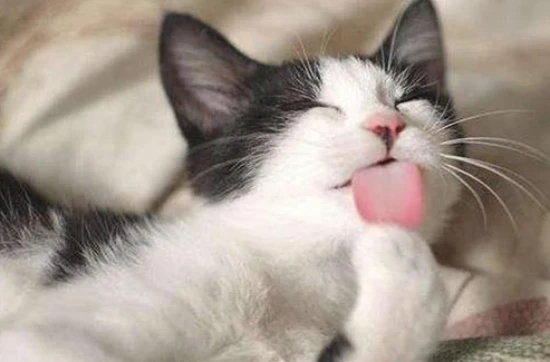
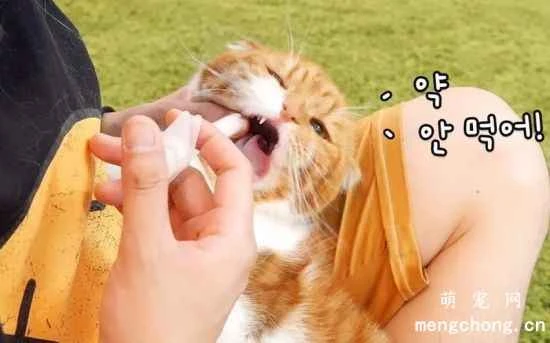
Cats are highly sensitive animals, and their behavior is strongly influenced by internal and external factors. When under significant stress, cats will express their discomfort or anxiety in various ways. Stressors may include environmental changes, social pressures, and health problems. Understanding a cat's stress responses can help pet owners identify problems early and take intervention measures.
For cats, stress typically triggers a range of behavioral, physiological, and emotional responses. First, from a behavioral perspective, stress can cause changes in a cat's behavior patterns. Many cats reduce their social interaction when facing stress; they may avoid humans and other pets, seeking quiet, secluded places. This hiding behavior can be seen as an escape strategy, removing themselves from the source of stress. Avoidance of their pet owner is also an important signal that the cat is going through an unpleasant period and needs space and time to adjust.
In addition, stress can cause abnormal defensive behaviors, such as excessive grooming (grooming disorder), and aggressive behavior. Grooming disorder can lead to uneven fur, hair loss, or skin infections in cats, while aggressive behavior may occur suddenly without obvious provocation, which can harm other pets or even pet owners.
Other stress-induced behaviors include inappropriate excretion, such as urinating in inappropriate places at home, which may be due to fear or protest, or it may be due to stress-induced gastrointestinal discomfort; decreased or lost interest in food, leading to anorexia; and excessive chewing or swallowing of non-food substances (pica).
Physiological responses are another aspect of stress response in cats. Like other mammals, cats release stress hormones, such as cortisol, when faced with significant stress. This physiological change can lead to a range of potential health problems, including weakened immune function, making cats more susceptible to illness; digestive issues such as diarrhea or constipation; and underlying chronic health problems such as heart disease or diabetes.
In addition to behavioral and physiological reactions, cats are also emotionally affected by stress. Although cats cannot communicate their emotional state verbally, pet owners can judge their emotional reactions by observing their cat's body language and facial expressions. For example, a stressed cat may show signs such as flattened ears, dilated pupils, and a thumping or fluffy tail.
Once you recognize signs that your cat is experiencing significant stress, you should take steps to alleviate it. This includes providing a safe environment where your cat can hide and ensuring they have access to all necessary resources, such as clean water, fresh food, and a clean litter box. Environmental stability is crucial for cats, as unpredictable changes can exacerbate their stress. Additionally, providing appropriate toys and environmental stimulation can help cats regulate their emotions through play. Interactive play and petting strengthen the bond between cat and owner and are also excellent ways to relieve stress.
However, when a cat exhibits stressful behaviors, it's essential to consult a veterinarian or a professional animal behavior consultant. A professional will assess the cat's stressors and offer targeted advice, such as behavioral modification techniques or adaptive environmental changes. In some cases, a veterinarian may recommend stress-reducing items, such as pheromone diffusers, to help the cat relax better. In extreme cases, medication may also be part of reducing a cat's stress.
Pet owners must realize that reducing stress in cats is not simply about solving behavioral problems, but about maintaining their overall well-being. Ultimately, having a healthy and happy cat requires a loving and patient environment, as well as the pet owner's proper understanding and fulfillment of their emotional and behavioral needs. Through observation, understanding, and action, pet owners can help their cats manage stress and lead more peaceful and joyful lives.