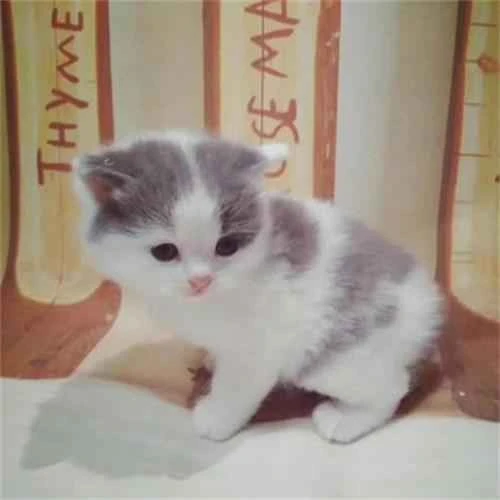
How to get your cat to cooperate during a bath:
1. Get your cat used to bathing: Let your cat familiarize itself with the bathroom environment beforehand so it knows the place is not a threat and will be more docile during bath time. Let your cat explore the bathroom 1-3 days before the bath, and give it its favorite treats at the time and place when you plan to bathe it.
2. Get your cat used to the sound of water: Take your cat to the water flow and let it touch the water. During this process, let your cat get used to the sound of the water. Observe your cat's reaction. Try it several times to let your cat gradually accept the water.
3. Be careful to prevent water from getting into the cat's ears and eyes, as this will irritate the cat. If the cat feels uncomfortable, it will naturally try to escape. Do not be too rough, and also avoid damaging the cat's hearing and vision. 
4. Pour warm water into the basin, with the water temperature around 40 degrees Celsius and the water depth being 1-2 centimeters. Do not pour in too much water. Then put the cat in the basin. If the bottom of the basin is too smooth, you can put a towel at the bottom of the basin. This will make the cat feel more secure and more relaxed.
5. Cats may be afraid of the sound of a hairdryer. You can put the cat in a cage and use the hairdryer outside to dry it. If the cat is overly resistant to the hairdryer, do not force it. Avoid bathing your cat in winter or when the indoor temperature is too low, otherwise the cat is prone to catching a cold, unless you have heating.
Precautions for bathing your cat:
1. Do not bathe your cat if it is unwell or sick, as this may cause it to catch a cold and worsen its condition.
2. Do not bathe kittens that have just been weaned. They have only recently been separated from their mother and their immune system is weak, making them susceptible to illness.
3. Kittens under 6 months old should not be bathed frequently, as they are prone to illness.
4. Do not bathe your cat within two weeks after vaccination, as the cat may experience local or systemic reactions after vaccination, and bathing may trigger other illnesses.
5. Do not bathe a pregnant cat in the later stages of pregnancy to avoid miscarriage.
6. After bathing your cat in the summer, do not let it be exposed to the hot sun to avoid heatstroke.
7. After taking a bath in winter, be sure to keep warm in time to prevent getting sick.
8. Don't bathe your cat too frequently. A cat's skin elasticity and coat shine are maintained by sebum. Over-bathing will cause a significant loss of sebum, leading to reduced skin elasticity, increased susceptibility to skin diseases, and a rougher, more brittle coat. Generally, indoor cats should be bathed twice a month, while outdoor cats should be bathed once a month.