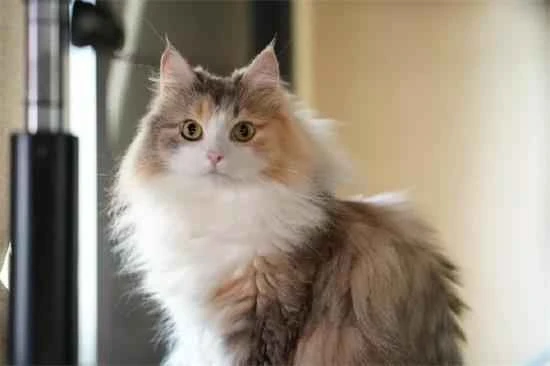
Why cats scratch for hours after deworming:
1. It's possible that the deworming medication was ineffective, resulting in the insects not dying after the treatment and continuing to bite the cat, causing itching.
2. Deworming medication has a narrow coverage area, and parasites in some areas may not be killed. The untreated parasites will continue to bite the cat, causing itching.
3. After receiving deworming injections, the injection site may feel itchy, causing the cat to scratch.
4. Expired deworming medication can cause cats to be reinfected with parasites, leading to itching. 
Precautions for deworming cats:
1. Check the cat's physical condition
Deworming should only be done when the cat is healthy. If the cat is unwell, deworming should be postponed until the cat recovers. Vaccinations and deworming should be done separately, with an interval of 5-7 days between them. If the cat is pregnant, it is best to stop deworming.
2. Choose the correct deworming medication
There are many flea and tick products available for cats, so it's important to choose carefully. Selecting a suitable and reliable product is crucial for achieving the best flea and tick treatment results.
3. Common reactions after deworming
After deworming, some cats with weaker constitutions may experience diarrhea and vomiting. These are normal reactions and nothing to worry about. You can give your cat some probiotics to help replenish beneficial bacteria in its body. However, if the cat's reaction is severe and lasts for several days, you should take it to the vet as soon as possible.
4. Clean environment
A poorly clean and hygienic home environment can easily breed bacteria and insects, making cats highly susceptible to parasite infections. Therefore, it's crucial to maintain a clean and safe home environment, regularly groom your cat to check for parasites, and ensure your cat is dewormed periodically.