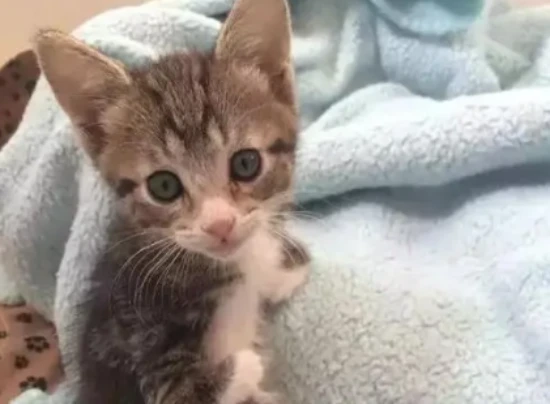
It is a misconception that cats are free of fleas in winter.
Cats can still get fleas in winter. Although winter reduces the spread of fleas and fleas in the environment may decrease or go into hibernation, fleas on animals are still very active. A cat's fur is a great nesting site for fleas, and a cat's body temperature is ideal for flea reproduction. Therefore, it is important to check your cat for fleas in winter and treat it regularly for external parasites. 
How to prevent cats from getting fleas in winter
1. Vacuum thoroughly and frequently, targeting corners, crevices, and sofa cushions. Empty and discard the vacuum bag after each use.
2. Wash your and your pet's bedding with hot water, then dry them in a dryer.
3. Treat the interior of your home with insecticide. If you feel uncomfortable doing this, please contact a professional pest control specialist.
4. Regularly mow the lawn to expose flea larvae to sunlight and kill them.
5. Follow the instructions for use and apply the medication correctly (e.g., Frontline spray). For best results, apply the medication between your pet's shoulder blades. This will prevent your dog or cat from licking or eating it.
6. Purchase prescription flea collars. Many over-the-counter flea collars are ineffective, and some may even cause adverse reactions in pets.
7. Don't blindly trust folk remedies. For example, tea tree oil, a frequently cited natural insect repellent, is actually toxic to cats and fleas.
8. Perform deworming regularly, bathe the dog once a month, and brush its fur frequently.