10 early signs of depression in cats
Ten early signs of feline depression include loss of appetite, overeating, excessive sleepiness, excessive grooming, poor hygiene, a tendency to hide, avoidance of emotional interaction, excessive meowing, unusual littering behavior, and other unusual behaviors. These are listed below:
1. Loss of appetite
Cats love to eat and get excited when they see food. However, depressed cats may lose interest in food, similar to humans. You might notice that they don't come when you call them to eat, and even if you hand-feed them, they still show no interest in the food.
2. Overeating
If your cat suddenly starts acting hungrier or begging for food more frequently, or you notice it often stealing food from the kitchen, this could be a sign of depression, especially if it's a free-feeding cat. 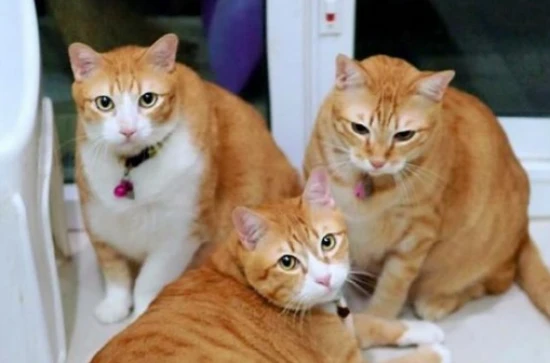
3. Drowsiness
While it's normal for cats to sleep 16 hours a day, a sudden drop in energy or sleeping more may indicate that your cat is depressed. If your cat suddenly falls asleep when it's normally wide awake and energetic during the day, it may be suffering from depression.
4. Overly grooming one's hair
Cats may over-groom due to anxiety, which is often associated with depression. While it's normal for cats to groom themselves frequently, if you notice your cat grooming more than usual, this could be alarming. If your cat is excessively grooming, it may be experiencing low mood.
5. Lack of hygiene
A frustrated cat may also stop grooming itself, or groom less effectively. If your cat stops grooming, you may notice its fur has become dry and rough. Your cat's fur may also become oily, dandruff-prone, or matted.
6. Likes to hide
A depressed cat may hide in a hard-to-find place to avoid interaction with humans or other pets. If your cat usually enjoys spending time with you in the living room but suddenly starts hiding, it may be suffering from depression.
7. Avoid emotional exchanges
While some cats are shyer than others and may not like being cuddled, if your cat, who usually loves being cuddled, suddenly becomes distant, you might want to check for signs of depression. If your cat usually enjoys being petted or sitting on your lap but now walks away from you, or avoids you when you try to cuddle, you should probably take it to the vet as soon as possible for a solution.
8. Excessive meowing
If your normally quiet cat suddenly starts meowing or making more unusual noises than usual, it may be suffering from depression. Depressed cats often cry, meow, or hiss when given mild stimuli, and they may vocalize at any time of day.
9. Abnormal toilet behavior
Stress can cause cats to urinate and defecate inappropriately, and stress is linked to depression. Cats often mark their territory by urinating outside their litter box; if your cat suddenly starts exhibiting this behavior, it could be a result of tension in its relationship with other pets in your household.
10. The cat is behaving very strangely.
If your cat is usually calm but suddenly becomes unusual, making various noises, you should probably pay attention; their mood may have changed.