What are the daily care routines for cats?
1. Grooming is a daily task for both cats and their owners. Cats are naturally clean animals, so they often use their tongues to remove dirt and groom their fur. However, this doesn't mean you can leave all the grooming to the cat. Even the softest fur has areas that the tongue can't reach, especially for long-haired breeds. It's difficult for a cat to keep its fur clean on its own, so the owner's help is essential.
2. Fur grooming not only removes dirt, fleas, and prevents hairballs, but combing and brushing also promote blood circulation and skin metabolism. Regular grooming also allows owners to check on their cat's health. Most importantly, it's a time for interaction between owner and cat. The cat's calming effect comes from gentle petting and soft talking. Initially, the cat might dislike it, but with daily practice and as it becomes a habit, it will enjoy it. Fur grooming products specifically for cats include shampoo, conditioner, powder, nail clippers, and combs, all of which can be purchased at pet stores. 
3. Check your cat's teeth and gums weekly. The gums should not be inflamed, and there should be no tartar buildup on the teeth, otherwise it will cause gingivitis and toothache. Use a diluted salt water solution or dog-specific toothpaste provided by your veterinarian. Use a special toothpaste and toothbrush for your cat (available at veterinary clinics); never use human toothpaste.
4. Ear cleaning involves two aspects: removing dirt behind the ear and cleaning the ear canal. Cleaning the outer ear is relatively easy, but cleaning the ear canal requires more care. Use a cotton swab, gently wiping from the inside inwards. The swab should not be too long. Hold the ear with your other hand and slowly wipe until it is clean. If there is a large amount of earwax in the outer ear canal, you can put in a drop of 2% borax solution to soften it. Then carefully remove it with tweezers. If the cat shakes its head, immediately remove the tweezers to prevent damage to the eardrum or ear canal lining.
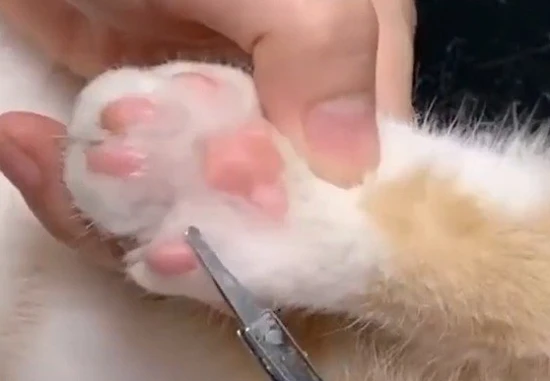
5. Trim your cat's nails quickly. If your cat starts to get agitated, let it go, even if you've only trimmed one or two claws. You can continue later. Reward it with playing with it or giving it special attention so it will associate nail trimming with positive associations.
Always trim your cat's nails before bathing them. A cat's nails are retracted into its paws. To make them visible, you can hold the front of its paw pad with your thumb while tilting the front of the paw downwards. This prevents injury. If you notice any unusual behavior after trimming, carefully examine the toes for bleeding or breaks in the skin. If there are any breaks, apply iodine. Besides trimming the nails, check the paws for any external injuries. Additionally, the fur around the toes and paw pads should be trimmed regularly to prevent slipping.