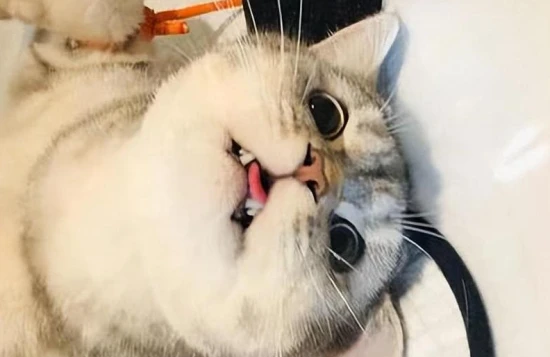
Drooling in cats indicates an abnormality in their mouths, or that they are sick or have contracted a contagious disease. Please note that there are many reasons why cats drool. Besides various causes of drooling, cats may also exhibit other abnormal symptoms.
Unlike dogs, cats rarely drool (excluding the occasional small amount of drooling while sleeping). If a cat suddenly starts drooling excessively, be alert and quickly find the cause. If the situation is serious, seek veterinary care immediately. 
Reasons for cats drooling
1. Cats are very sensitive to food or other strange-smelling things, especially bitter things. If they accidentally or intentionally eat some bitter medicine, they will immediately secrete a lot of mucus. This is a normal phenomenon. What we need to do is clean their mouths and wipe it clean.
2. Problems with the oral cavity itself. For example, calicivirus, which is common in kittens, can cause oral ulcers, which can lead to pain and drooling.
3. Common feline gingivitis and periodontitis.
4. Feline stomatitis: Feline stomatitis manifests as severe redness and inflammation of the entire gums and pharynx mucosa. At this time, the cat has great difficulty swallowing and feels pain every time it swallows.