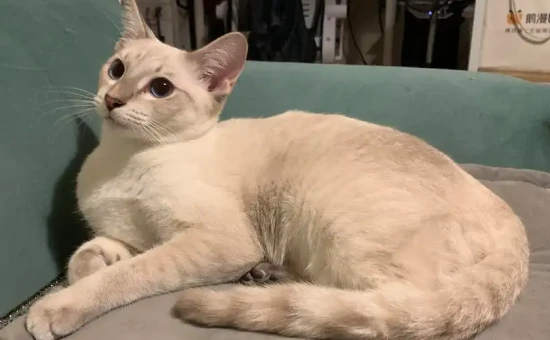
First, we must understand that cats, like us humans, also dream. If a cat dreams of chasing scenes, it might twitch like a human's leg suddenly—sometimes it's just a subconscious behavior, like how we sometimes wake up suddenly and then fall asleep again. If the dream is about eating, that's quite adorable. A cat's cute little mouth and face will sometimes twitch. If friends observe closely, they'll find it very amusing. 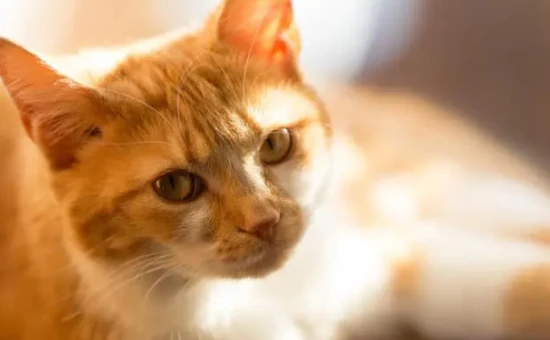
In addition, feline seizures can be caused by parasites. If left untreated, the condition can worsen and lead to epilepsy. We might then use deworming medication, but it may be ineffective. At this point, we must take the cat to a veterinary hospital for examination and treatment based on the veterinarian's diagnosis. Therefore, it's important to note that it's usually necessary to administer deworming medication to cats to reduce the harm caused by parasites and effectively control various feline diseases.
Calcium or trace element deficiencies can cause seizures in cats, just like in humans. Calcium deficiency can also cause muscle twitching, especially in cats with microchips, as their bodies require a large intake of calcium. If owners don't pay attention to their cat's diet, or if they buy unsuitable cat food with low calcium content, seizures can occur due to calcium deficiency. Additionally, older cats experience rapid calcium loss and require a diet rich in calcium that is easily absorbed, while avoiding high-phosphorus foods such as organ meats. After a period of time, the seizures should subside.
Because the cat has been sick due to parasites, but still experiences seizures after taking insecticide, it often still has a deficiency in trace elements, especially some vitamins. Therefore, the cat may experience frequent seizures. However, there's no need to worry about this situation. Simply adding some vitamins to your cat's diet will also help alleviate the seizures and maintain your cat's health.