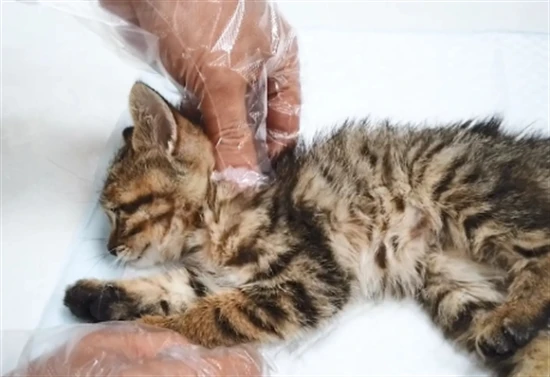
6 little-known facts about cats:
1. Cats drink water very perfunctorily; a hundred licks are not as much as a sip of milk tea you drink. So you need to find a way to get your feline overlord to drink more water.
2. Normal cats are very sensitive to the sound of a comb being run through their throats and may vomit because cats are sensitive to high-frequency sounds.
3. The "si si" sound that cats make when they fight is something their ancestors learned from snakes in the desert.
4. Most female cats are right-handed, while most male cats are left-handed. Try using a cat toy on your cat and you'll see.
5. Cats don't like rooms that are too tidy, as they feel insecure. So you might as well make the room a little messy.
6. A female cat can be pregnant with kittens from several male cats, so it's normal for the kittens to have different colors and patterns. 
Things to note when raising a cat:
1. Kittens can generally be dewormed when they are 2 months old. It's best to do internal and external deworming separately for better results. Internal deworming should be done every 3 months, and external deworming should be done monthly.
2. Cats must be at least 56 days old to receive vaccinations, and they must be kept at least a week after purchase to ensure they are healthy and show no signs of discomfort before vaccination. Cats typically receive three doses of the feline triple vaccine plus one rabies vaccine. The second vaccine is given 21 days after the first, followed by the third 21 days later, then the third 7 days later, and finally the rabies vaccine.
3. Cats generally reach sexual maturity around 6 months of age. The optimal time for spaying/neutering a cat is between 6 and 8 months old, ideally before its first heat cycle, to minimize the risk of physiological problems. The correct order for spaying/neutering is generally: deworming, then vaccinations, and finally, neutering/neutering.
4. Going to the toilet is a big deal for cats. Unlike dogs, they are not casual about it. They are quite picky about the environment when they go to the toilet. Pet owners should choose a spacious, low-odor, low-powder, and good-clumping cat litter to reduce respiratory irritation and improve hygiene.
5. Cats usually stay indoors and don't get very dirty, so they don't need frequent baths. They also groom themselves by licking their fur. Kittens under 3 months old should not be bathed; if they are dirty, you can wipe them with a towel.
6. Although cats don't interact with humans as much as dogs, they still need their owners' company and playtime. Otherwise, they are prone to depression. You can play with your cat more often, such as playing hide-and-seek, using cat toys, laser pointers, ping-pong balls, etc., which can make your cat happy and ensure that your cat gets enough exercise every day.