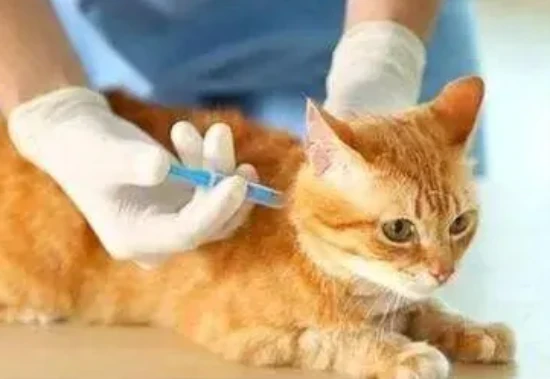
Ear mites in cats can cause hair loss because they cause itching, which can lead to scratching and hair loss. Cats with ear mites may also scratch their ear canals, shake their heads, develop ear hematomas, become inflamed or have allergic reactions, and have a thick, brownish-black crust-like discharge in the external ear canal. To treat a cat with ear mites, first clean the external ear canal, then administer ear mite medication. 
Besides ear mites, cats also shed seasonally. Generally, cats shed a lot during spring and summer, especially long-haired cats. This is normal and doesn't require treatment. During this time, you can supplement your cat's diet with nutrients needed for healthy fur, which can help reduce shedding. You can also spend 5-10 minutes each day brushing their fur with a cat-specific comb to reduce loose hair, promote blood circulation in the skin, and decrease shedding.