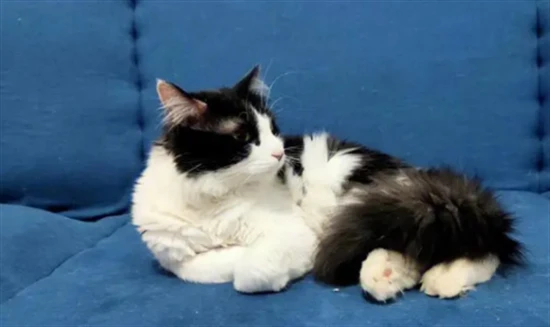
Many cats dislike water, are terrified of it, and will meow and claw like a child; some even view bathing as torture. This is partly due to their ancestry; most pet cats' ancestors lived in deserts. Because of the unique geographical environment and long-standing habits, cats don't like baths. Bathing a cat often involves a long struggle for owners, resulting in scratches, sweat, and constant howling – a beautiful cat can instantly turn into a frantic mess, which is exhausting. So, what should you do if your kitten is fidgeting during a bath? 
Actually, some cats are quite cooperative during baths. What's the secret to making bathing so easy and enjoyable for their owners? When washing a cat, avoid spraying water haphazardly onto its body, and prevent water from getting into its eyes, ears, nose, or mouth. It's best to prepare a small cup, fill it with water, and then slowly pour it over the cat's body, gently massaging it in to prevent the cat from moving around due to discomfort.
Since kittens generally don't like water, you shouldn't prepare a full basin of water for them when giving them a bath. It's best to prepare water up to just below the kitten's legs. This way, even if the kitten doesn't like it, it won't feel scared and move around randomly.
Secondly, to prevent the kitten from moving around during a bath, the owner must also keep a good grip on its body. The washing process should be gentle and slow, while constantly soothing the kitten to help it relax and ease its tension. Once the kitten gets used to bathing, it will stop moving around.
Before a kitten's first bath, avoid creating a negative association with water and bathing. For example, avoid playfully splashing water on it, which could frighten it. Don't let the kitten witness the horrific scene of other cats that hate baths being bathed. Kittens that are exposed to water early are less likely to resist baths later, so you can start bathing them around two months old, but at least wait until they are one month old. If it's your kitten's first bath, ensure the room temperature is warm and fill a shallow, comfortably warm bath. Let the kitten soak its paws to get used to it before starting. If the kitten struggles, comfort and talk to it. Whether rubbing or rinsing, be gentle.
We can first add some shampoo to the water before putting the cat in the bathtub. First, splash water on the cat's back, then apply some shampoo and gently wash the cat, starting from the back of its head, neck, back, tail, abdomen, and limbs. Be careful not to get water in the cat's eyes or ears, as this may cause discomfort. You can plug the cat's ears with cotton balls beforehand and remove them after the bath.
Owners can wear cleaning gloves to prevent scratches, close the bathroom door, and confine the cat to the bathtub, large bucket, or corner to prevent it from running around.