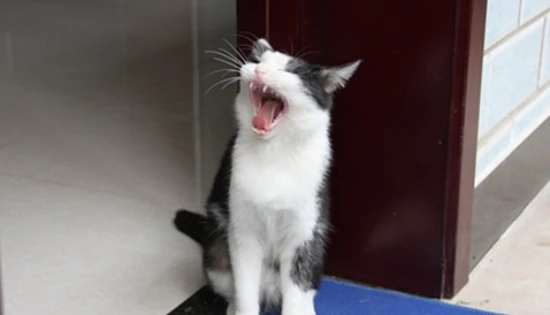
Raising a kitten involves more than just regular care; its diet is also crucial. Kittens need time to adapt to unfamiliar environments, so don't punish them for being naughty. Appropriate training is fine. Therefore, raising a kitten requires attention to all aspects, not just its diet and care. 
I. Precautions for raising kittens
Newborn kittens are blind and deaf, unable to keep warm on their own, and need their mother's help to use the litter box. A kitten's nose doesn't fully develop until it's three weeks old, but it can recognize its mother's scent from birth. At this age, kittens sleep for very long periods, so if they are meowing, it's usually because they are too cold, uncomfortable, or hungry. The mother cat will stimulate the kitten's anus with her tongue to help it defecate.
Kittens weigh about 100 grams at birth and will double their weight in about two weeks. Kittens under two weeks old have a normal heart rate of over 200 beats per minute and a respiratory rate of about 15-35 breaths per minute. Newborn kittens have a low body temperature of about 35-36°C, which gradually rises in the first 1-2 weeks, reaching about 37.7°C by four weeks of age.
Kittens are born with a sense of pain, but the neuromuscular reflexes associated with pain don't fully develop until around 7 days old. Their eyes open between 5-14 days after birth, at which point the iris is grayish-blue, hence the term "grayish-blue eye." Over the next few weeks, their eyes will gradually develop the color they will have as adult kittens. However, kittens don't develop normal vision until around 3-4 weeks of age. They begin to crawl between 7-14 days old, and by 16 days they will start to waddle and learn to walk, with a more mature and steady gait by 21 days.
Kittens typically become unsteady on their feet around the third week of life; before that, they rely on their mothers to carry them. They grow their first set of teeth around two weeks old and are generally litter-trained by three. At this age, kittens also begin to play; four-week-old kittens will playfully bite each other, learning how not to hurt one another. Kittens typically begin weaning around the fifth week, starting to eat harder foods and becoming more independent. By this time, their sense of balance is fully developed, and they learn to groom themselves. This period is a learning phase for kittens; they must learn to recognize themselves and other animals.
After a kitten is two months old, its muscles are fully developed, but it still needs a lot of exercise to accurately judge distance, height, and speed. Hunting skills are also learned during this period. Generally speaking, kittens are best kept away from their mothers until they are three months old, because kittens at this age have a sense of territory and a good sense of direction.
II. Kitten Diet
Kittens go through two phases of growth: a rapid growth phase and a period of sexual maturity. The rapid growth phase occurs approximately from 2 to 6 months of age after weaning. During this time, kittens are playful and grow rapidly, requiring a large amount of nutrition and energy. They must be provided with a balanced diet high in protein and calories to supply the various nutrients and energy they need for rapid growth. However, because their bodily functions are not yet fully developed, kittens at this stage should eat at least three meals a day. Their diet should ideally consist of fresh fish, chicken, pork, or beef, supplemented with a small amount of kitten food. Starchy foods should be minimized, and their food intake should not be excessively restricted.
Between 6 and 12 months of age, a cat's growth rate begins to slow down, and its activity level also decreases. At this time, cats have a larger appetite, so you can increase the portion size of each meal while reducing the number of meals per day. Increase the variety of their diet by adding some nutritious canned cat food to their existing diet to ensure that their nutritional needs are met due to the slower growth rate.
Remember, cats are carnivores, and their diet must be primarily meat-based. In addition, always provide plenty of fresh water for your kittens to drink, give them regular vaccinations, and patiently train their behavior. Raising a kitten isn't difficult!
A kitten's diet is especially important. If kittens don't eat well, they are prone to developmental problems. However, too much nutrition is also not advisable. So, any food should be given in moderation to avoid making the kitten uncomfortable.