Cat food is not static throughout a cat's life; cats have different characteristics, preferences, and needs at different stages. These needs depend specifically on their age, lifestyle, and physical condition. For example, the dietary structure required by a growing, energetic kitten is obviously different from that of a quiet, senior cat or a lazy indoor cat. 
More and more professional cat food manufacturers are increasingly segmenting their cat food brands into more and more specific categories, with the aim of providing the most suitable food for cats with different needs. As a result, owners can choose the most suitable food for their beloved cats.
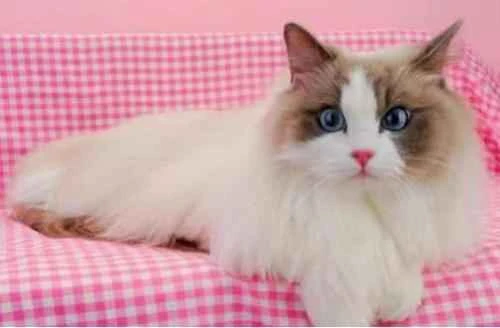
Take indoor cats, for example. Many quiet breeds of cats really enjoy indoor life. However, any cat living in a limited space will lack exercise. This more comfortable lifestyle means they find it difficult to maintain their natural physique like outdoor cats. Therefore, preventing indoor cats from becoming overweight is a major issue.
Indoor cat food has a special formula that is high in protein and low in fat. It also contains added fermented fiber that is not easily digested and can help remove hairballs (reducing odor in the litter box).
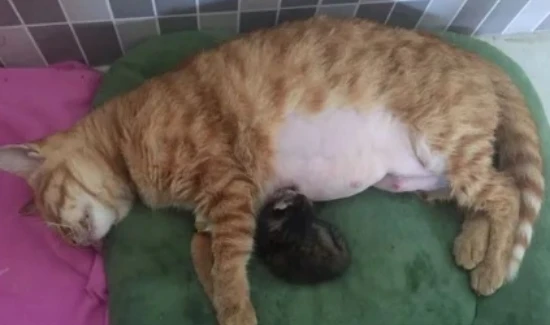
In addition, special attention should be paid to the cat food of pregnant cats, as good and balanced nutrition is very important for pregnant cats. A pregnant cat may eat up to 7 times a day! Pregnancy may cause a pregnant cat's appetite to fluctuate, sometimes too much, sometimes too little, and sometimes she may refuse to eat. However, all pregnant or lactating cats need extra protein and energy to help them get through this physically demanding period.