Cat owners probably know that cats are more prone to obesity than dogs. And since cats are less active, losing weight is much harder for them than for dogs. Even after successfully losing weight, owners need to be careful about weight regain. If all the hard work of losing weight is quickly regained, all that effort will be wasted. 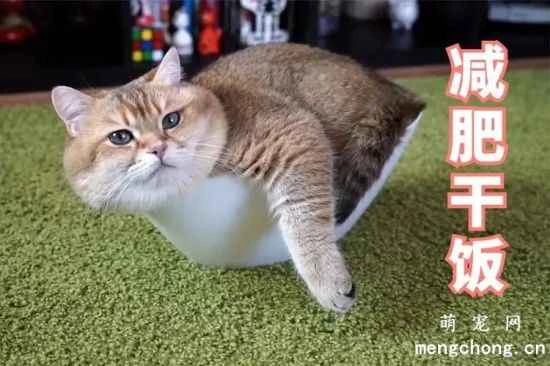
In a series of studies conducted by scientists at the University of Aberdeen and Waltham University in the UK, scientists found that adding 40% water to dry food to reduce calorie density effectively slowed weight regain in cats after they resumed normal feeding. This is the first time that dietary water content has been linked to slower weight gain and increased physical activity in cats.
Once your cat reaches its target weight, your veterinarian will advise you on how to maintain that weight. Continue to monitor your pet's weight. Avoid reverting to overfeeding; instead, adjust its diet based on its activity level. Don't give in to your cat's begging. Offer snacks or small treats between meals, as long as the main meals provide sufficient calories. Your pet will definitely feel hungry during this process. No matter how pitiful its begging expression may be, don't give in! Explain this principle to your friends and neighbors, otherwise all your efforts will be in vain.
Losing weight is inherently difficult for cats, so owners must cherish the results. A balanced diet combined with appropriate exercise can help cats overcome obesity. It's also important to prevent weight regain, which is essential for the cat's health.