After a kitten is born, its tiny and adorable appearance is irresistible. We take it to show off to the neighbors, and hearing their praise for our feline companions naturally brings us great satisfaction. At this point, some people might ask, "How old is your kitten? Has it received its triple vaccine?" Or, if you take your newborn kitten to the vet for a checkup, the vet will definitely tell you when it needs its triple vaccine. At this point, you might wonder, "What is a feline triple vaccine? Can such a young kitten handle being vaccinated?" 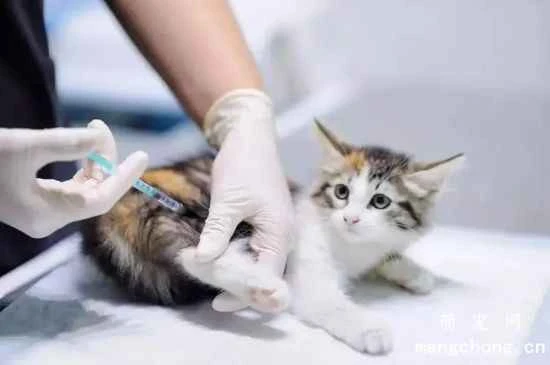
Actually, the feline triple vaccine is a crucial step in a cat's immunization program. Let's learn about the so-called triple vaccine. As the name suggests, it's a vaccine that protects against three viruses combined. So, what are these three viruses? First, feline infectious rhinotracheitis virus (FIR), which causes respiratory illnesses in cats, such as tearing, sneezing, and loss of appetite; in severe cases, it can cause pneumonia. Second, feline calicivirus, also known as feline rhinoconjunctivitis virus (FCCVV), which is highly infectious in kittens, causing fever, conjunctivitis, rhinitis, or joint diseases. Third, feline panleukopenia virus (FPCV), commonly known as feline distemper, which is highly contagious and causes vomiting, dehydration, abdominal pain, and hypothermia in kittens; acute cases can even lead to death. These three diseases are very easy for kittens to contract, so vaccination is essential to prevent their occurrence.
Will kittens be able to withstand vaccines containing viruses? Actually, vaccines are made by inactivating viruses. Injecting the vaccine allows the kitten to produce its own antibodies, rendering the virus harmless. Once antibodies are developed, even if the kitten is attacked by a truly virulent virus someday, its body will be unaffected. Of course, vaccines also have an expiration date; their effectiveness lasts for one year. As long as the kitten receives an annual vaccination at the vet, it can effectively prevent certain diseases.
Some people think, "My cats are all kept indoors, my house is very clean, and I keep it very hygienic, so I don't need to worry about infectious diseases!" That's not true. No one can guarantee that viruses won't be transferred to your cat's clothes or shoes when they go to the vet or when cat-loving guests visit. Even indoor cats still need vaccinations. And that's not even considering cats that just build a makeshift cat bed in a corner of the neighborhood.
When cats receive the feline triple vaccine, the initial feline triple immunization requires two doses. This is because the first dose does not provide complete immunity. The first dose merely sends a signal to the cat's immune system, enabling it to recognize and identify the virus. The second dose is what truly establishes an immune system against viral diseases, helping the cat resist their harmful effects. Antibodies also don't appear immediately; they reach a safe level 7 to 10 days after the second dose, at which point the cat has genuine immunity against these infectious diseases.
The timing of the trivalent vaccine is also important. Primary immunization requires two doses: the first at 8 weeks of age or older, and the second between 12 and 16 weeks of age. A booster immunization is also necessary after the primary immunization, administered annually.