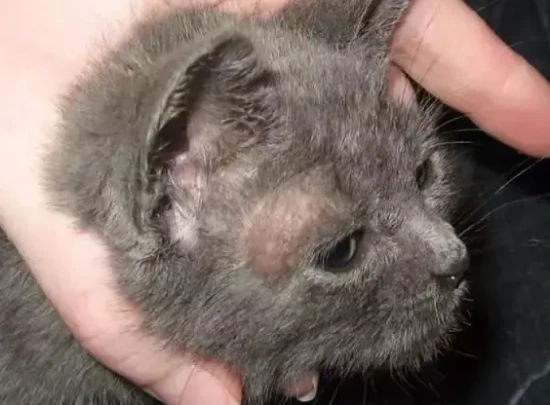
You got bitten by your mischievous cat? It left a deep gash and is bleeding? Don't panic! Stay calm and don't rush to the vet. Because being bitten by a cat doesn't necessarily mean you need a vaccine! 
Because not every cat will get rabies. If it's not rabies, then there's no need for vaccination; simple wound treatment is sufficient. So how do you determine if the cat or dog that bit you actually has rabies? The method is very simple: just confine the cat or dog that bit you for 10 days, starting from the day you were bitten. If it's still lively and healthy after 10 days, then you can breathe a sigh of relief. This is because, although the incubation period for rabies is long (3-8 weeks for dogs, 2-6 weeks for cats, and 3-6 weeks or even years for humans), it is not contagious during the incubation period. Infection only occurs when the rabies virus enters the animal's brain and then its salivary glands. From the time the virus enters the brain to the cat's illness and death, it's only about 10 days (the same applies to dogs).
The World Health Organization (WHO) has clear classifications and different treatments for suspected rabies animal contact. If the skin is not broken, there is no need to worry and no special treatment is required; if bitten or scratched but without bleeding, a rabies vaccine is sufficient; if there is bleeding and the bite is severe, in addition to a vaccine, immunoglobulin is also necessary.
However, vaccination is a later step. Regardless of the animal bite, the most immediate treatment is to wash the wound with clean water, and applying soapy water is even more effective. This will minimize the amount of virus entering your body. Furthermore, WHO statistics show that 99% of rabies cases are transmitted by dogs, so those bitten by cats can relax a bit.
What should I do if I get bitten by a cat?
1. Clean the wound thoroughly. Rinse the wound with clean water (mineral water or tap water) while mechanically squeezing the wound to expel contaminated blood and toxins. Note: Do not suck directly on the wound with your mouth, and do not bandage the wound directly.
2. Have you been vaccinated against tetanus? If you haven't been vaccinated against tetanus within the past 5 years, you should receive one dose of tetanus antitoxin to prevent possible tetanus infection. Then, take amoxicillin antibiotics for about 3 days.
3. Dealing with the "culprit" cat. It is best to take the "culprit" cat or dog to a veterinary hospital for examination to determine if it may have rabies. If symptoms of rabies infection are suspected, the pet should be disposed of immediately to prevent others from being harmed by it.
Finally, it's necessary to correct a common misconception: that animals are guaranteed lifelong immunity after receiving a rabies vaccine. In reality, if the vaccination is administered improperly, the vaccine quality is poor, it spoils due to improper storage, or the animal's health is poor, a single vaccination may not provide sufficient protection. However, there's no need to worry excessively; annual vaccinations are sufficient.