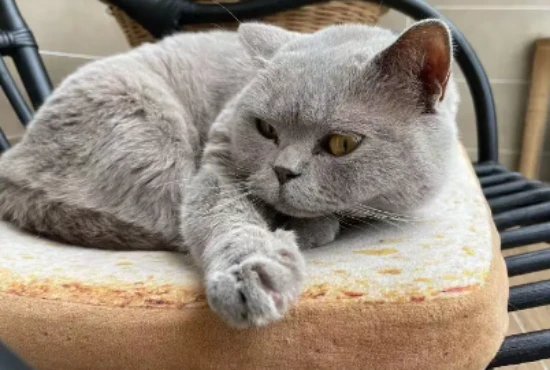
When it comes to our feline overlords in summer, the first thing that comes to mind is how hot it is and how we hope our feline companions don't get heatstroke. So, we use every method humans use to prevent heatstroke on our cats as well – cold drinks, air conditioning, and more. But in summer, it's not enough to just focus on cooling down; excessive exposure to cold can lead to illnesses. This time, we're talking about "air conditioning sickness." Yes, besides humans, cats can also get air conditioning sickness. Let's see how to prevent air conditioning sickness in cats during the summer. 
1. The air conditioner temperature should be suitable.
First, it's important to understand that you shouldn't leave your cat in an air-conditioned room when you're not home. Second, the air conditioning temperature is crucial; generally, 27 degrees Celsius is sufficient. Don't set it any lower. If the temperature difference between indoors and outdoors is too large, the cat's body will have difficulty regulating itself when entering the air-conditioned room from the outside. Therefore, try to keep the temperature difference between indoors and outdoors to no more than 7 degrees Celsius. Also, be careful not to let the cold air from the air conditioner blow directly on your cat; their bodies cannot tolerate such strong cold air.
2. Pay attention to air conditioning usage time.
Some owners, worried about their cats getting too hot, leave them in air-conditioned rooms all day while they're at work. This is not advisable. Owners should place their cats in a cool, well-ventilated area to enjoy natural airflow while they're at work. In fact, circulating air is beneficial for a cat's health. Even if a cat stays in an air-conditioned room, the air conditioning should be turned off after 1-3 hours, and the windows should be opened to allow fresh air to enter and exchange air.
3. Keep the air-conditioned room clean.
Air-conditioned rooms are dry and have a comfortable temperature, providing a suitable environment for germs and viruses to thrive. Therefore, spending a long time in an air-conditioned room will inevitably lead to a buildup of bacteria in the cat's body, potentially causing illness. Furthermore, the constantly changing airflow in air-conditioned rooms weakens a cat's response to germs, allergens, and odors in the air, thus lowering its resistance to bacteria. Therefore, it is essential to keep air-conditioned rooms clean to prevent the growth of harmful bacteria and viruses, reducing the possibility of the cat absorbing harmful pathogens. It is also best to use a humidifier to prevent the dryness of the air in the air-conditioned room from damaging the mucous membranes of the cat's nose and eyes.
4. Provide ample drinking water
Although cats don't like to drink water, hydration is really important in the summer. Cats eliminate toxins from their bodies through drinking and urination. So even if your cat doesn't feel hot in an air-conditioned room, give them plenty of water to drink and encourage them to urinate frequently to flush out toxins. You can also give them some cooling and detoxifying mung bean soup, but be sure to give it in moderation. Cats shouldn't eat too much highly alkaline food.
In the sweltering summer, don't overdo it with cooling measures. Let's work together with our feline overlords to prevent air conditioning sickness.