Cats are the little angels in our daily lives, winning our hearts with their unique charm and petite size. However, sometimes we observe a phenomenon on their faces: tear stains. These tear stains not only affect a cat's appearance but may also indicate some health problems. So, how should we deal with tear stains in cats?
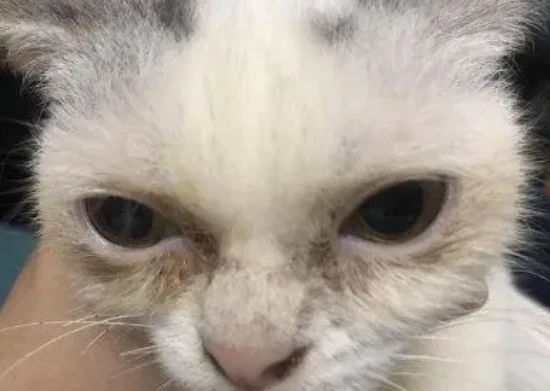
First, we need to understand how tear stains are formed. Tear stains are the marks left by a cat's tears. Tears are mainly composed of water, oil, and salt. When a cat cries, tears stream down its face, forming light-colored marks around its eyes. These marks are the tear stains we see.
However, if a cat's tear stains persist or are dark in color, it may indicate an underlying health problem. For example, the cat may have entropion (inward turning of the eyelid) or a blocked nasolacrimal duct, both of which prevent tears from draining properly and cause tear stains. The following measures can be taken to address these issues:
Cleaning: First, we need to clean the cat's face regularly to remove excess tears and dirt. Use soft wipes or cotton balls for cleaning, and avoid using overly harsh soaps or detergents.
Diet: Diet is also a factor contributing to tear stains. Foods that are too oily or high in salt can trigger tear stains in cats. Therefore, we need to ensure our cats have a healthy diet, choosing high-quality food and avoiding excessive treats and human food.
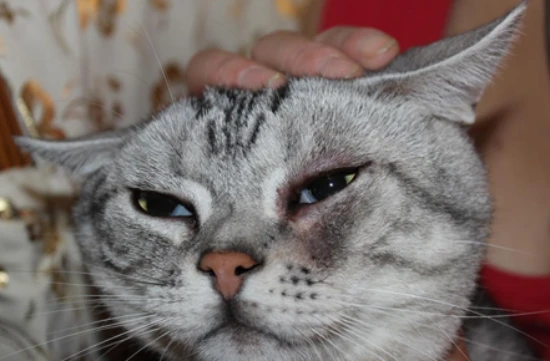
Medical: If tear stains persist in your cat after cleaning and dietary adjustments, you may need to seek veterinary help. A veterinarian can check for problems such as entropion (inward turning of the eyelid) or blocked nasolacrimal ducts and take appropriate medical measures.
In short, understanding the causes of tear stains in cats and taking appropriate measures is an important part of maintaining their health. Through regular cleaning, a healthy diet, and proper veterinary care, we can help cats get rid of tear stains and restore them to their optimal health.