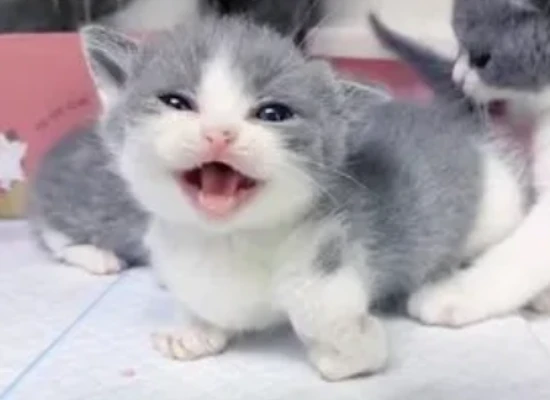
When you decide to become a pet owner, hopefully you are fully prepared.
Having a kitten means warmth, companionship, healing, a smile in your spare time, and being cared for and waited for when you're away from home. But it also means giving and responsibility.
Understanding their needs in advance allows you to give them better love.
Today, let's talk about the care guidelines for cats at different ages.
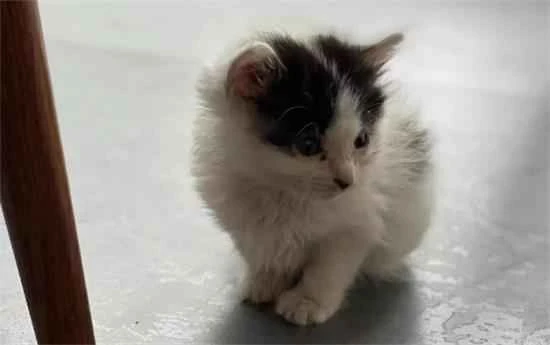
Month 0-1
(Keywords: breast milk)
Breast milk or colostrum/goat milk powder feeding
Keep it warm, maintain a temperature between 25-30 degrees Celsius, and do not take it outside.
Without a mother cat, feeding with a syringe is necessary.
1 week old: Feed every 2-3 hours/time
2-3 weeks old: Feed every 4 hours
Help the kitten eliminate
Drinking milk + observing the world
Sleeping 20 hours a day is normal.
Items to prepare for this stage: goat milk powder, diaper pads, blankets, baby bottles/syringes
January-February
(Keywords: weaning)
The kittens can be weaned gradually and you can start feeding them cat food slowly.
1-1.5 months old: Feed every 6 hours
2-month-old: Feed every 3-4 hours/time
Remember to soak the cat food until it's soft, and feed it at the same time, in the same place, and in the same amount.
Make sure to seal the windows to prevent the kitten from falling.
The best time to potty train a kitten is when you can teach it hand-in-hand.
Items to prepare for this stage: cat food, cat litter, litter box, cat bowl.
February-March
(Keywords: first deworming, vaccine)
First deworming at two months old
In vivo, 3 months/time; external, 1 month/time
Vaccination one week after deworming
A total of 3 injections, each 21 days apart.
Deworming and vaccinations should be done when the cat is healthy.
Dietary attention
Feed every 3-4 hours for 2 months. In March, add small amounts of egg yolk and chicken breast.
Items to prepare for this stage: cat food, carrier, scratching post, shampoo.
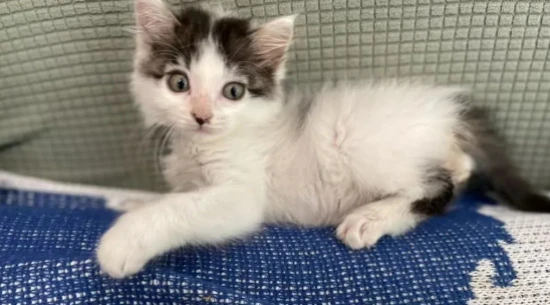
March-April
(Keywords: socialization training)
Start trying to trim the cat's nails and get it used to physical contact.
A kitten's claws can already be dangerous, so you should prepare a scratching post.
The cat food doesn't need to be soaked; it can be fed dry food directly.
In addition to cat food, feed goat milk powder twice a week and egg yolk + chicken breast once a week.
The cat is currently in a vaccination gap period and can be vaccinated.
Items to prepare for this stage: cat toy, cat food
April-May
(Keywords: shedding fur and teething, cheek growth)
During the critical period of development, feeding cats freeze-dried staple foods, which are more nutritious, can help them develop wider cheeks.
When kittens start shedding their fur, you can feed them fish oil, egg yolks, and cat food to help their fur grow back better.
Playing with your partner for more than 30 minutes before bedtime is exhausting.
Avoid frequently changing food, as this can easily lead to diarrhea.
Items to prepare for this stage: nail clippers, toothbrush, and canned nutritional staple food.
May-June
(Keyword: estrus)
They will go into heat around 6 months old. Make sure to close doors and windows, otherwise they will run out.
If you have a male and a female cat in your household, they need to be separated. Male cats in heat may urinate indiscriminately, so you need to remove the odor promptly.
Maintain daily hygiene to prevent tear stains.
Sterilization can only be performed after the heat cycle ends.
Items to prepare for this stage: cat toys, comb, eye drops.
June-July
(Keyword: companionship)
Spend more time playing with your kitten and interacting with it; kittens need lots of love.
The cat sleeps a lot at this time, so don't worry.
Avoid eating human food and avoid eating too many cold foods.
Increased appetite, supplement with high-protein foods to strengthen bones
You could consider buying a cat tree to increase your cat's daytime exercise.
Items to prepare for this stage: cat comb, freeze-dried food
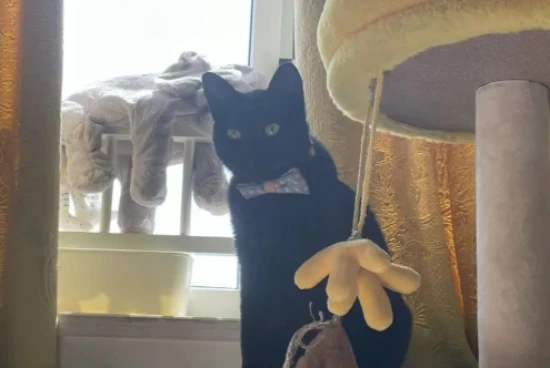
July-August
(Keywords: water intake)
Ensure your cat drinks enough water to prevent urinary tract problems.
Appetite is average, and eating habits have become relatively stable.
She has a strong sense of curiosity and needs positive guidance.
Cats may go bald during their awkward phase.
Dietary supplements can include appropriate amounts of deep-sea fish oil and prebiotics.
Items needed for this stage: Automatic water dispenser, ear float, bonito flakes.
September-October
(Keywords: hair)
Cats are curious about everything and need positive guidance.
Regularly brush your cat's loose fur to prevent it from getting into their stomach and causing hairballs.
Aggressive behavior may occur at this time; you need to patiently guide them.
Regularly brush and bathe your cat, and make sure to dry it thoroughly after bathing to prevent it from catching a cold.
You could consider buying a cat tree to increase your cat's daytime exercise.
Items to prepare for this stage: cat grass, hairball remedy.
November-December
(Keywords: adulthood)
Having entered adulthood, their physical condition has become more stable.
Do not scold or hit your cat for no reason; it will backfire. Cats don't understand this, and they need proper guidance from their owners.
Use positive and correct training methods when training your cat to cultivate good habits.
A physical examination can be performed annually, mainly checking the cat's kidneys, heart, and endocrine system.