A healthy cat's fur should be soft and neatly arranged, without any messy or sparse areas. It typically has a smooth and glossy coat. You can judge a cat's health by observing its appearance.
You can feel the condition of your cat's bones and muscles by petting its body. If you can feel some firm muscles, it means your cat's weight is just right. A healthy cat's weight should be within a healthy range and remain consistent. Being overweight or too thin can both negatively impact your cat's health.
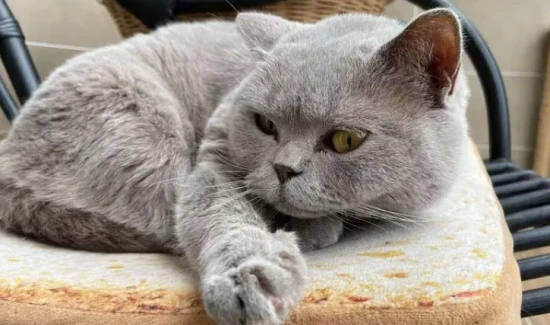
Healthy cats are typically very agile and can maintain an elegant posture and gait. They should be able to move and jump freely, rather than appearing sluggish or listless.
If you observe that your cat is slow, lame, or unable to move normally, it may be a sign of a health problem.
A healthy cat should have bright, clear eyes, without any abnormal discharge or redness. The cornea should be clear and transparent, without any blurriness or cloudiness.
If you notice anything unusual about your cat's eyes, it could be a sign of a bacterial infection or other health problems.
A healthy cat typically has a moist and clean nose without excessive nasal discharge. A healthy nose should appear moist, without any obvious signs of dryness, cracks, or pain.

A healthy cat's ears should be clean, with no noticeable discharge or earwax inside. The skin of the ears should be a pale pink, without signs of redness, swelling, ulceration, or itching. If you notice your cat constantly scratching its ears or shaking its head, it may be a sign of a bacterial ear infection or other health problems.
One of the important indicators of a cat's health is a healthy digestive system, which ensures a good appetite. A cat's normal feces should be brown, well-formed, and slightly moist, without any noticeable odor or strange color.