1. Protect natural sebum
First, we need to understand that cat skin is very different from human skin. Cat skin is more sensitive than human skin, and it is covered with a natural layer of sebum. This sebum helps protect the skin from external environmental damage and helps maintain normal skin function.
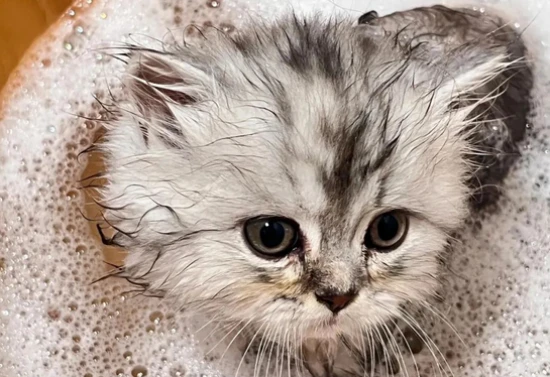
Frequent bathing of cats can damage their natural sebum layer, leading to dry, itchy, and red skin. Over time, this can even cause more serious problems such as skin diseases and hair loss. Therefore, to protect a cat's skin health, we should not bathe them too often.
Second, cats have a natural thermoregulation mechanism.
Cats are natural predators, requiring them to maintain agility and dexterity. To adapt to this lifestyle, cats have a unique thermoregulation mechanism. Their skin and fur are important components of this mechanism.
A cat's fur helps regulate its body temperature and maintain comfort. When its fur gets wet, a cat's body has difficulty quickly returning to a normal temperature, which not only affects its comfort but may also pose a threat to its health. Furthermore, if a cat is bathed frequently, its body constantly adapts to changes in moisture, leading to a disruption of its temperature regulation mechanism and ultimately impacting its health.
Third, it generates unnecessary stress.
For many cats, bathing is a very unpleasant experience. Some cats even develop a stress response due to their fear of bathing. Frequent bathing can cause cats unnecessary stress and fear, which is detrimental to their health and mental well-being. Therefore, for the sake of a cat's happiness and health, we should not bathe them frequently.
IV. Natural Cleaning Expert
Unlike humans, cats are very clean animals. They frequently groom themselves by licking their fur. Furthermore, cat saliva has antibacterial properties, helping to prevent some skin diseases. Therefore, compared to dogs, cats do not need to be bathed as often.
In conclusion, while bathing cats may seem like a good idea, it can actually have negative effects on their health and well-being. Therefore, we should respect cats' natural instincts and reduce the frequency of bathing them. Of course, this doesn't mean we shouldn't clean our cats. In routine care, we can use specialized cleaning products to maintain their hygiene.
First, we can use specialized dental hygiene products to regularly clean our cat's teeth and prevent periodontal disease. Second, we can use specialized ear cleaning products to regularly clean our cat's ears and prevent diseases such as ear mites. Additionally, we can use specialized eyewash products to regularly clean our cat's eyes and prevent eye diseases. These daily care practices can help us better care for our pets and allow them to live healthier and happier lives.
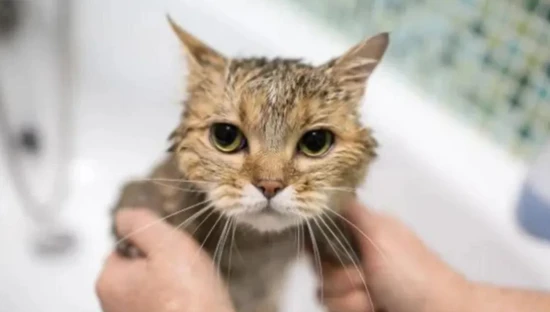
Finally, it's important to remember that even if your cat needs a bath, you should always use shampoo and conditioner specifically designed for cats. These products better protect your cat's skin and fur, preventing unnecessary damage. Also, always pay attention to the water temperature during bathing; avoid water that is too hot or too cold, as this can negatively impact your cat's health. Additionally, always thoroughly dry your cat's fur after bathing to prevent colds and other health problems.
In short, while we can't bathe cats frequently, we can still maintain their hygiene through routine care. When caring for pets, we should respect their natural instincts and arrange care measures reasonably to allow them to live a more comfortable and healthy life. If you have any questions or concerns about your pet's health, please consult a veterinarian promptly. Veterinarians are professionals in pet health care; they can provide personalized advice and guidance based on your pet's specific situation.