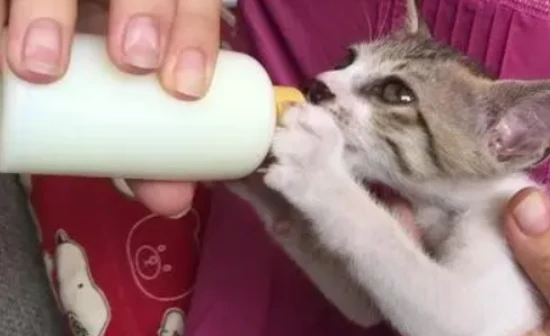
Having a new little life is a joyous occasion, but it also brings many responsibilities. This is especially true for first-time cat owners, as the kitten's growth stages are full of challenges and questions. This article will guide you through the monthly growth characteristics of kittens from 0 to 7 months old, the things to pay attention to, and some practical feeding and care tips to make your cat-owning journey smoother.

0-1 Month: The Vulnerable Period for Newborn Kittens
Characteristics: Newborn kittens' eyes and ears are not fully open yet, and they spend most of their time sleeping.
Important notes: Kittens at this stage need to be kept warm, with an ideal temperature of 30-32 degrees Celsius. At the same time, ensure they receive sufficient breast milk under their mother's care, as this is their primary source of nutrition.
Feeding recommendations: Unless a veterinarian recommends formula feeding, kittens should be kept with their mother and allowed to nurse.
February-March: The Stage of Exploring the World
Characteristics: The kitten begins to show curiosity about its surroundings and tries to stand and walk.
Important: Be aware of electrical wires, poisonous plants, and other items in your home that may pose a threat to your kitten, and ensure their safety. At this age, the kitten's teeth are starting to grow, and they may begin to chew on hard objects.
Feeding recommendations: Continue breastfeeding or choose suitable kitten food, and ensure adequate water supply.
March-April: A lively and active growth period
Characteristics: The kitten gradually becomes more lively and begins to play and explore.
Important: Provide safe toys and climbing frames to satisfy their curiosity. At this stage, kittens are more active and need more energy, so their food intake should be increased accordingly.
Feeding recommendations: Increase the amount of solid food appropriately, and pay attention to supplementing nutrients such as calcium and vitamins.
April-May: The Beginning of Sexual Maturity
Characteristics: Kittens begin to show interest in the opposite sex and enter their estrus cycle.
Important: If estrus occurs too early, veterinary advice may be needed to manage it. Also, avoid overbreeding kittens, as this can negatively impact their health.
Feeding recommendations: Continue to provide adequate nutrition, paying attention to supplementing protein and fat.
5-6 months: Independent kittens reach maturity
Characteristics: Kittens gradually exhibit adult cat behaviors and begin to live independently.
Important Notes: At this stage, you can begin training your kitten to develop good habits, such as using a litter box. Simultaneously, pay close attention to any changes in their behavior to prevent excessive scratching of furniture or other issues.
Feeding recommendations: Gradually transition from kitten food to adult cat food while maintaining a balanced diet.
June-July: Preparing for Adulthood
Characteristics: The kitten's body and personality gradually mature, preparing it to become an adult cat.
Important Notes: Kittens at this stage require extra attention and care to help them smoothly transition into adulthood. It's also crucial to maintain their physical health and have them undergo regular checkups.
Feeding recommendations: Continue to provide high-quality food, paying attention to protein and fat intake to meet its growing body needs.

In short, there are many things to pay attention to during a kitten's growth from 0 to 7 months. By understanding the characteristics and precautions of each stage and providing appropriate feeding and care advice, you will be able to better meet your kitten's needs and promote its healthy growth. Also, remember to take them to the vet for regular checkups to ensure they remain healthy. Hopefully, this information will help you and your kitten enjoy a wonderful time together!