As cat owners, we all hope our kittens grow up plump and healthy, which is not only good for their health but also makes them feel better to pet. However, some kittens eat a lot but just can't gain weight, and some even become thinner, which is heartbreaking.
If you want your feline companion to be less thin, you first need to know why your cat is losing weight, and then you can treat the problem accordingly.
Why cats become thin
Heat cycle: During the heat cycle, cats seem to have no interest in anything except the opposite sex. Once a cat is in heat, in addition to losing its appetite and becoming thin, male cats will also urinate everywhere to relieve their stress, while female cats will howl and scream wildly in the middle of the night.
Intestinal parasite infection: Intestinal parasites can steal a lot of nutrients from a cat's food, easily leading to malnutrition and difficulty gaining weight.
Picky eating is the culprit: If cat owners give their cats too many treats, the cats will stop liking to eat cat food. How can a picky eater gain weight? In addition, giving cats too many treats will not only cause them to dislike eating cat food, but will also affect their absorption of nutrients.
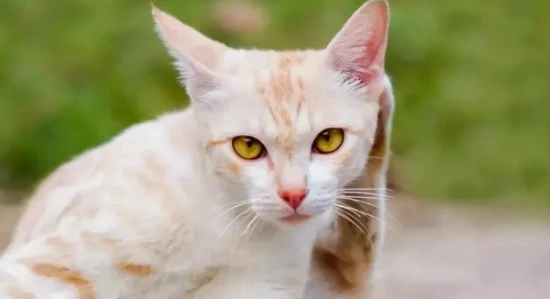
Inadequate nutrition: Why is my cat always so thin? We should also reflect on whether the food we are feeding our cat is too low in nutrients, or whether our cat's digestive system has poor nutrient absorption, leading to insufficient nutrition.
So today I'd like to recommend some medicines to keep at home.
Use it promptly when you discover your pet is sick.
Aiyinongkangtai
Mainly used for feline influenza,
Viral illnesses such as: depression, sneezing, yellow nasal discharge,
Coughing, tearing, loss of appetite, mouth ulcers and
Systemic immunodeficiency, immunosuppression and other diseases
Raw material composition: Astragalus polysaccharide, Ganoderma lucidum polysaccharide, licorice,
Isatis root, Isatis leaf, immune peptides, antiviral proteins, anti-allergy factors, tuna meat, etc.
It clears heat and detoxifies, relieves immunosuppression, enhances immunity, and fights viruses.
Methods to improve thinness
1. Spaying/Neutering: If the weight loss is caused by being in heat, the owner should either grant the animal's wish or have it spayed/neutered.
2. Regular deworming: Parasites are a major cause of weight loss in cats. Since you know your feline companion is infected with intestinal parasites, regular deworming is essential for your cat's health. However, don't forget to supplement your cat's nutrition after deworming.
3. Homemade cat food
Here are some recommended ingredients for cat food: chicken breast, eggs, and shrimp. These three ingredients are readily available in any fresh food supermarket and are relatively inexpensive. Wash the chicken (remove the skin, as the oil on the skin is not suitable for cats), separate the egg yolks from the eggs, and cook the shrimp normally and shred them.
It's important to note that you shouldn't add any seasonings whether you're steaming or boiling; just boil it in plain water.
If you feed your cat food twice a week, you don't need to add trace elements or vitamins. If you treat cat food as your cat's daily diet, you should pay attention to your cat's nutritional balance and the components it ingests.
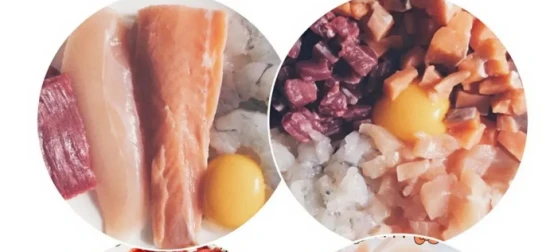
4. Dietary adjustments
Supplementing your cat's nutrition: If the cat food has low nutritional content, you should change it in time. At the same time, prepare some meat as a supplementary food to supplement your cat's nutrition, but you should not feed too much, otherwise it will cause indigestion in your cat.

For thin, small cats, it's necessary to feed them nutritional pastes to quickly replenish the nutrients their bodies need and help them strengthen their immune system. You can also mix probiotics into their food to aid digestion and absorption. As for treats, don't give them too many. Too many treats can lead to picky eating, so it's recommended that owners only give treats as rewards to their feline overlords. When your cat tries to be affectionate, you must resist the urge, or you'll lose!
Why is my cat getting thin?
Finding the cause of weight loss is the first step in correcting the problem. Carefully observe your cat's eating habits to see where the issue lies:
How much food is the cat eating? Has it changed compared to before?
• Is your food intake the same, but your weight is decreasing?
• Does the cat look like it's losing muscle or fat?
• Does your cat seem to have a good appetite, but is still losing weight?
The answers to these questions often reveal the cause of the weight loss. It's best to consult a veterinarian and take your cat to the hospital for a checkup. A range of medical issues can cause rapid weight loss in cats; common medical causes include:
Hyperthyroidism
Hyperthyroidism occurs when a cat's thyroid gland produces too much thyroid hormone. Besides weight loss, symptoms of hyperthyroidism include hyperactivity, restlessness, rapid heart rate, excessive thirst, and increased urination.
Veterinarians can diagnose hyperthyroidism through blood tests.
Kidney disease
Chronic kidney disease can cause weight loss in cats of all ages, and they may begin to lose weight before a diagnosis is made (kittens are usually too young to be diagnosed with kidney disease by ultrasound).
diabetes
While diabetes is often associated with obese cats, rapid weight loss is also an indicator of feline diabetes. Some diabetic cats experience a severe decrease in appetite, leading to weight loss.
Oral health
If a cat has dental or gum problems, it may stop eating. Loose teeth, periodontitis, broken teeth, and infected teeth can all be culprits. A veterinarian can quickly determine if weight loss is the cause through an oral examination.
If you notice your cat is losing weight abnormally, first consider whether you have been deworming it regularly. Second, consider the diseases mentioned above or other reasons. If you are unsure, be sure to consult a veterinarian promptly!