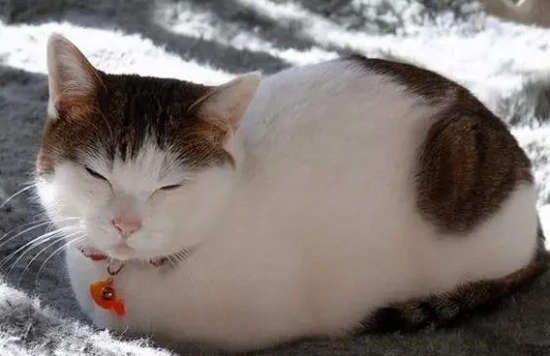
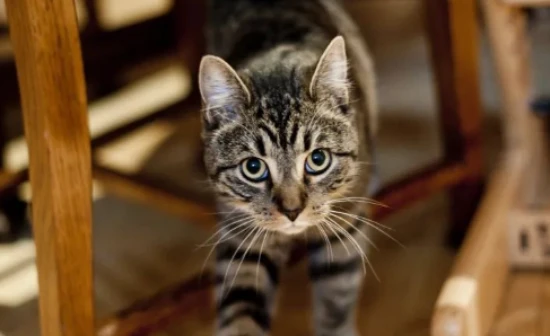
A while ago, Xiao Yi stumbled upon a beautiful, clean-shaven kitten in her neighborhood. Her first thought was, "Is this someone's cat lost?"

After some inquiries, it turned out that a family had abandoned the kitten while moving. They took all their belongings, but couldn't take a single kitten...
Look at this poor little cat. Does it know that it has been abandoned by its owner?

The cat knows its owner has left it.
Actually, even kittens know...
A 23-year study by Birkkent University found that many cats exhibit four distinct reactions when faced with their owners' departure:
① Preventing the owner from leaving or waiting for the owner to return: When the owner is packing their bag, combing their hair, putting on their shoes, or preparing to leave, the cat will follow/lie down at the door/block the door between the owner and the human/run wildly, or wait at the door after the owner leaves home.
② Protest behaviors when unable to approach the owner: scratching at the door, making frequent noises
③ Abnormal excretion behavior: urinating or defecating outside the litter box
④ Behavioral changes after separation from the owner: biting/scratching objects, excessive self-licking, and frequent vocalizations.
Therefore, cats are very clear about the differences between themselves and humans. But what about being "abandoned"? Do they know that?
If "abandonment" is defined as leaving a cat outdoors or giving it up for adoption, the cat will be able to sense this.
A 2017 experiment at Kyoto University found that cats have the ability to remember scenes; even if they don't actively try to remember them, the memory will remain in their minds.
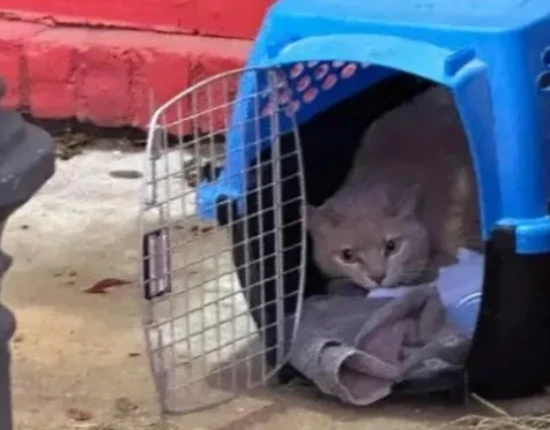
An abandoned kitten
What impact will this memory have on the cat?
What impact does abandonment have on cats?
Being abandoned means that cats will face separation from their original owners, sudden changes in environment, changes in lifestyle, and the stress of unfamiliar smells, all of which will bring them negative emotions and effects.
According to data from US animal shelters, abandonment combined with entering a new environment can cause high stress levels in cats, leading to other problems:
● Increased aggression
● Increased hiding behavior
● Abnormal urination/defecation behavior
● Fear, hypervigilance
● Decreased appetite and weight loss, etc.
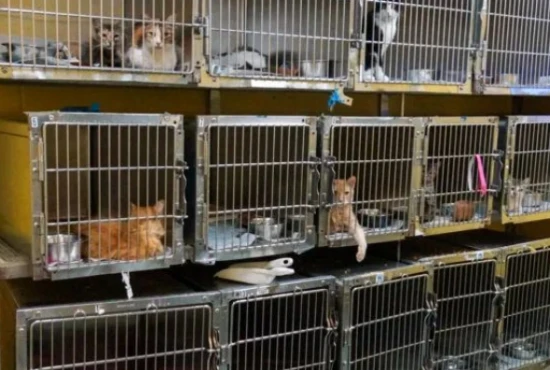
Fortunately, for cats that are generally well-socialized, most problems are temporary.
Their stress levels may gradually decrease over time in shelters. Some cats may even experience less stress than in their native (multi-cat) homes.
Blue represents the cat's stress score.
Furthermore, after having positive interactions with their new owners during adoption, they are able to adapt to their new lives relatively quickly.
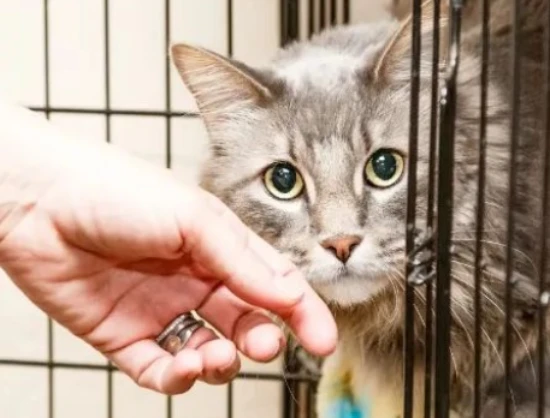
However, for cats that are already poorly socialized, this is undoubtedly adding insult to injury. They need more time and more friendly experiences to live peacefully with humans.
Besides these, there are even worse situations. Healthy cats, because they were abandoned, contracted diseases, and some even lost their lives...
Abandonment for any reason is an indelible wound in a cat's life.
According to statistics from animal shelters in the United States, the United Kingdom, and Brazil, common reasons for cats being abandoned include: owner illness/pregnancy, economic changes, moving, the cat being sick, and the cat being aggressive.
Abroad, abandoned cats can find shelter. But in China, they are more likely to become homeless strays. A lucky few may be rescued by kind people and rehomed.
Just a quick announcement: Goodnight, you're still looking for a home...
If we adopt a kitten that has been abandoned, how can we "heal" it more quickly and effectively and become its most trusted new owner?
If you "take in" a cat with a history of being abandoned.
What should we do?
First, be mentally prepared. These cats may not be "perfect"; they may exhibit playful aggression, separation anxiety, or other issues. They require proper guidance and companionship to gradually resolve these problems.
Secondly, it's about creating a safe and secure environment for them.
When I first arrived home, I stayed in the small room temporarily.
It's best to use a dry, separate bedroom.
Choose a small, quiet room for your cat to transition.
In addition to essential living supplies, you should also provide them with safe hiding places, such as cardboard boxes or semi-open cat beds.
Do not disturb them during this period; let them adapt and explore on their own.
▌Reduce changes at home
Once the cat is familiar with its surroundings, you can remove the door locks to allow it to explore the entire home further.
However, during this period, it is best to avoid visits from strangers and the replacement of large items, so as to prevent the cat from experiencing unknown changes in the environment it has just adapted to.
▌Creating a well-organized order
A regular daily routine and established rules are important sources of security for cats.
Therefore, it's best to designate a main activity area for your cat and establish restricted areas from the beginning. You can also choose to provide your cat with food at fixed times and locations, and play with them at fixed times.
Most importantly, do not suddenly change the established rules.
▌Positive Interactive Experience
Refuse to force interaction with your cat, but don't refuse interaction initiated by your cat!
Positive and engaging interactions can increase a cat's trust and sense of security towards humans.
Although a cat's physical pain can be healed, the scars are difficult to erase...
Owning a cat is not a spur-of-the-moment decision, but a lifelong responsibility!