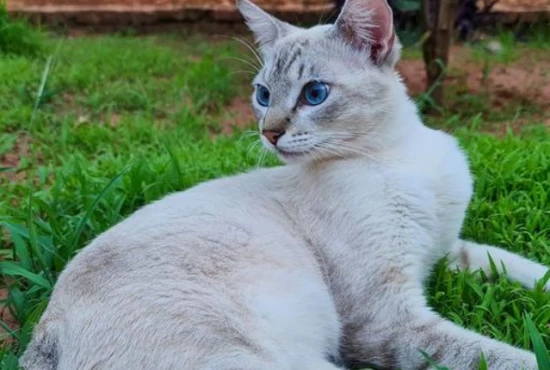
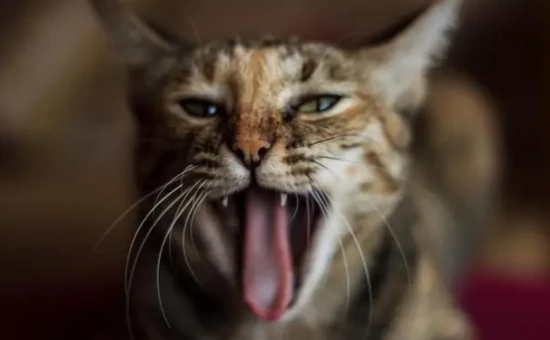
Severe stress in cats can manifest in several ways. First, psychologically, cats may exhibit fear, sensitivity, anxiety, and increased alertness, becoming extremely wary of their surroundings and other creatures. Physiologically, they may show symptoms such as rapid heartbeat, arched back, ruffled fur, dilated pupils, difficulty breathing, trembling, and elevated body temperature.
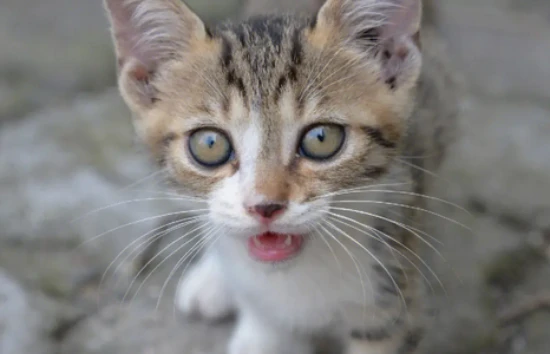
In terms of specific behavior, cats may exhibit some obvious abnormalities. For example, loss of appetite or refusal to eat could be due to digestive problems caused by stress or excessive psychological pressure. Additionally, cats may hide away, avoid human contact, and even resist their owner's touch. Excessive grooming, such as excessive licking, is also a way for cats to cope with stress. Simultaneously, cats may display aggressive or defiant behavior, and scratch or chew objects such as furniture or toys to release tension. In severe cases, cats may exhibit symptoms such as rapid breathing, lethargy, or sluggishness.